Derek sits down with David “Dave” Seymour (A&E’s Flipping Boston) for a blunt, no-fluff masterclass on thriving through market cycles. Dave shares his firefighter-to-investor story, the costly lessons behind refis and 2007, how TV fame and hard-money lending actually work, why control of capital beats “cheap” bank money, and the underwriting discipline needed now. They unpack Florida’s boom-bust dynamics, pivoting plays (from land to pickleball to flex), building real networks (and a strict “no-a**hole policy”), and Dave’s 2025–26 plan: scalable education + cherry-picked commercial deals—grounded in faith, family, and service.
—
Watch the episode here
Listen to the podcast here
Welcome to the Generations of Wealth Podcast. I’m your host, Derek Dombeck. And today’s show is, you know, it’s great, like all of our shows, but it’s one I’ve been really looking forward to for a while and not for the reasons that you might think. My guest, David Seymour, he did have a TV show called Flipping Boston, had four seasons on A&E. And yes, that kind of got his name out there. But when you listen to the show, you’ll see why I love it because he is just as blunt as I am. It’s a great exchange back and forth, a lot of knowledge, a lot of tips from all mistakes that we’ve both made. So before that, during the show, we’re going to talk about this too, your network. and it’s super important. And I just want you to understand that, you know, doing this show and you listening to the show is part of building my network and building your network. So if there’s anything that we can do for you, that I can do for you at the Generations of Wealth, don’t hesitate to reach out. That’s literally what I get from this is build a network and meet great people and who knows where it goes from there. So, you know, go to DerekDombeck.com, Shoot me an email, Derek@GlobalGOW.com. Let me know how I can help you. And that’s it. We’re going on to the show. Let’s bring on Dave Seymour. Well, here we go. Dave Seymour, welcome to the Generations of Wealth show. First of all, thanks for being here. And second of all, I don’t think I have to do a big bio on you, and I’d rather you do it anyways, but many will recognize you from the past. You did have a TV show that was on A&E for a while called Flipping Boston. And but let’s kind of start at the beginning. Yeah, sure. Who are you and where do you come from?
Derek, thanks, man. It takes work to put a podcast. I don’t think many people realize the amount of time and effort and consideration it takes to get good content out. God willing, you and I will supply some of that today. But, you know, people are like, you know, there’s so many podcasts out there. And let’s be frank, a lot of it is not based in reality. It’s kind of speculative. So, you know, I appreciate you putting the effort in. And as much as I’ll share my successes and my failings, you know, I know you’ll do the same thing. Because for those listening to your show today, I’m going to let you in a little secret. I love a guy in pre-recording who says, this is my audience. This is what they like to see. This is me. I got my butt handed to me in 2007 after starting in 2003 when everybody was a hero in 2003, right? Everybody’s good at this game when it’s going straight up. Oh, yeah. But it’s the guys who can get their asses handed to them and then stay in the game afterwards. So, you know, I’m looking forward to this conversation. Yeah, I had a TV show. Ready? So what? Whatever. Please, come on. It doesn’t carry favor like most people would think. You know, quick background on me. I don’t want to devalue the TV show. That was a lot of freaking work too, right? That was a lot of planning and execution. But, you know, I’m from England originally. I came to the States in 86. I’m the son of a London tiler. My dad used to throw up tiler in the subways in London. And, you know, I ended up through a set of circumstances coming to the States with the information that my father gave me growing up, which was to work hard, don’t lie, cheat or steal. Nothing wrong with that. But he didn’t give me any financial education. Trade time for money was the only strategy that was part of the Seymour family lineage. Right? That was it. That was all you could do. came to the states, bopped around and landed a good government job. You know, a friend of mine said to me, you know, Dave, get one of those good government jobs, buddy. They got a great pension, you know. You don’t have to work too hard. It’s the government. You know, you deserve it. You’re a naturalized citizen. Give it a run. And I love what I did. Don’t get me wrong. I was a firefighter and a paramedic for 16 years just north of Boston. Freaking love what I did. But like I said, I was a financial illiterate. Got myself into some serious debt. This is 2004, five, going into six, right? Everybody was refinancing. And there were some serious predators in the market back then, as I’m sure you can appreciate. Maybe some of your listeners as well, right? And they were wrapped up as wolves in sheep’s clothing. And I remember I refinanced my primary residence. I think it was around four times in 18 months. and every time the guy who wrote the refis for me you know he put me into the three three year arm and every time he put me in there he’s like dude we can get you 110 percent of your value 120 percent of your value right it was like it’s great with what i know today i’m like oh my god how did i fall for it sucker yeah and um you know that that that takes you to a place where everything crashes where you met it as an investor. I met it as just a dumb homeowner who didn’t know any better. And it almost cost me a lot more than just my house. It really cost me some good relationships as well. My marriage was on the rocks. Anyway, I’m losing the house. I’m screaming and shouting at my God. I’m a man of faith. And I’m like, I’ve done everything my old man told me to do, Derek. You know, I worked hard. I didn’t like cheetah steel. I’m a firefighter, paramedic. I’m working construction on my days off. I’m, you know, I’m trying, man. And I’m screaming and shouting at him and I’m not getting any answers. I figured I’m just going to go home and tell the wife we’re done. We got to go. And as I turn the ignition in my pickup truck, a commercial came on the radio. Teach me foreclosure. This is probably 2007. Teach me foreclosure. A free one and a half hour seven on your neck of the woods, right? Learn how to do real estate, no money down. And I’m like, really? I’m asking and now I’m receiving. I’m like, really? Is this it? Is this the plan?
The good news is you had no money. So you got it. That’s right. Perfect. That perked my ears up right there. So I take a leap of faith. I scream home. I’m telling my wife, honey, I’ve got the answer. And she’s, you know, giving me that sideways glance at the better halves in our lives can on occasion. And I said, we’re going to be real estate investors. She’s looking at me like I got two freaking heads. That’s where it started, man. I went to a seminar. I heard things I’d never heard before about leverage, mindset, opportunity, no money down, real estate investing, being a service. And we went all in. It’s funny. My wife put 30, 32, maybe 27. I can’t remember. $27,000 of education on her credit cards because I was maxed out of mine. And I started the journey. The interesting thing was, is that I realize now looking back, and this is a dirty word, I think in society and in investing, was I paid for five classes. It was the old Whitney organization, Russ Whitney, the OG. Yep. The OG, Russ. And I paid for five classes. I only went to three of them. And yeah, I’m still on this podcast with you X amount of years later. And what I realized was the dirty word was accountability. I purchased $27,000 worth of accountability that day. Because with all the respect in the world, Russ’s education wasn’t top shelf. it was okay you know it was okay it wasn’t top shelf fast forward after the tv show i ended up being a keynote speaker with an event i asked him for a refund.
Now this isn’t going to be a russ whitney bash job because it’s not because my the original organization i got involved in in 2003 was russ whitney yeah yeah and so you go to that free 90 minute deal and then you pay a little bit You go to a weekend and the first day on that event, they teach you how to go and get your credit card limits increased. So the next day when they pitch you on their stuff, you can pay for it. And I, like you, I bought a package, but I started small. And if you remember back then, they had this, you know, it’s kind of new in the Internet world, but they had this chat room where we could all talk forth with Whitney students. Well, the Whitney students that bought the big packages are now trying to sell their courses or sell their, and back then they also allowed it to be transferable. They changed that. But instead of paying five grand per seminar, I was buying other people’s for a thousand. So I got, I got through probably eight or nine of those trainings at a fraction of the cost. But I also ran into Russ a couple times after that and had a beer with him and sat down and talked with him. And you know what, man? He built it. He built it big. And he got his ass kicked.
He was the OG. Yeah, he did. He got his ass kicked. Of course he did. Of course he did. Yep. Look, here’s one thing I know. If I bring, and I’m not bashing Russ Whitney either, right? Me either. But let’s just call a spade a spade. When you bring cars, boats, and leather coats, and Rolls Royces, and I’m going to end up swearing on it. I don’t want to bring in private jets and all that shit into the sales pitch. You’re getting away from God. You’re getting away from why I do this business. And it’s just for me, I don’t care about you or anybody else. I do this business so that I can be of service, be good to my investors, be good to my family. It’s not about having a Range Rover downstairs or any of that crap. It when I look at the ego in the industry of education, EGO stands for easy. It’s gone out. And I try and, I try and remember that and keep, especially with the TV show and all the BS that comes with that. You know, it’s like one minute I’m sitting in the firehouse, the next minute I’m on score box with, you know, Becky quick and Joe Keenan and Andrew Sorkin. And I’m like, what the hell? How did this happen? Right. So you can get wrapped up in that stuff. But what I did like about Russ was, is I got the fundamentals. I learned how to talk to other investors, talk to homeowners, talk to realtors, and understand that there’s some challenges there also, right? But then do some decent underwriting without getting imaginary. Because as soon as you get imaginary in the underwriting, you know, you make your money on the buy side. We’ll buy less profits on the sale of the refi. So, you know, I’m forever grateful for that. I’m grateful for that commercial. That was divine intervention for me. But it definitely put me on a journey. And then through being an educator myself after that, like I said, being on stages with Russ and keynote speaking and everything else, you know, I got recognized by a kid by the name of Russell Brunson. And I was doing a little bit of education. Russ Brunson does, what is it, ClickFunnels, like online marketing and stuff. And he sent me a link to the TV application. And, you know, the rest is history. I ended up doing that show for four seasons and 27 episodes. I think it was 27, 29, something like that.
So that was you that put in for the TV show, but where did your partner at the time, where did Peter come from on that deal? Yeah, that’s a great question. So I was new in my investing career when that all started, and I’d done a couple of deals with Pete, loose deals, maybe a wholesale, I think it was. I’d actually done some construction work and a few other things. you know pete was pete off doing his own thing but i needed to create a story so i pulled him in and i you know i called him i said um yeah new york’s coming up they want to film a little mini pilot i told him you’re my partner and you’re the money guy he said what are you talking about i’m like come on dude it’ll be fun well they can say no so we have we shoot this shit with a camera for a couple of days it’ll be fun well i’ll do it and pete loves loves being the center of attention too you know what I mean um so that’s how I pulled them in and then we did uh we did the three episodes and we figured that was it you know nothing nothing more out of it but um apparently we had the highest ratings on that Saturday morning for that time slot in A&E history and then it was off and running like we need 13 more episodes and I’m like I guess we got a former form an official business or something i said yeah i guess we’re stuck with each other for a while and uh that’s how i pulled him in so yeah it was good there was good.
There was an event that my my business partner that i had the hard money lending company with in the past he was at and peter was there and they were talking and and jeff sent me a text message yeah i’m here and peter peter slaris is here i said hey ask him if he could pitch our tv show to a and e called redneck rehabs and uh yeah jeff never did but uh yeah i thought it was kind of funny he never asked him yeah i like it i like redneck rehab it’s all about it’s all about being um i was on another podcast today and the guy was talking about the show and i said you know what’s interesting is you know people people think it’s easy but it really isn’t right it’s okay it’s okay having a good business and that’s phenomenal um and we just met so i don’t i don’t know but some people were on camera bro and they just suck they suck they’re not entertaining they got no comedic timing they don’t know how to you know interact to deal with each other just because we just met you don’t have to start insulting me about how i am on camera already dude damn you know i was seeing as my brain was going i’m thinking i should soften this shit up because oh no not with me that was not good that’s all good i had a the the pre uh the production company guy owned the production company he called me one day and he He goes, I want you to just rip up one of your contractors. I’m like, what? He goes, yeah, just rip him up. Destroy him on camera. I go, what are you talking about? He goes, dude, they like the big angry Dave, the construction guy. We want to see more of that. Rip one of the guys up. I go, no. He goes, what do you mean? I go, buddy, I’m not going to do that to the guy. He goes, I’ll give you 200 bucks to give to him. I go, no. What’s wrong with you, brother? I said, I’m not doing it. I said, and here’s why. That guy makes money for me. He makes money for himself. He’s a good dude. I said, why am I going to destroy him on camera? He goes, well, you get better ratings. I go, I don’t care. You’re going to be gone one day. Nobody’s going to know who the hell Dave is from flipping Boston, just like they do today. They got no idea. Whoever’s listening to this has no freaking idea who I am. They don’t care.
Google it. They like a good story. I’m like, I’m not going to do that. So, you know, the TV world is kind of cutthroat. It’s not a nice place, but it is what it is. You know what it does? It gives you that expert moniker that we’re all looking for as marketers and branders and business owners, right? So that’s what it did. But I’ll end with this on a TV show. Just because you get a show doesn’t mean you’re an expert. There’s some serious donkeys out there that have got TV shows. You don’t know what the hell they’re doing in their business. Wow, shit, man. anybody can start a podcast. So people believe this. That’s right. They’ll believe anything. Yeah. Yeah. They’ll believe anything. So what’s been going on since that? I mean, that was a chapter in your life, but yeah. You know, I guess that, when did that show end? What was the 20th?
Probably, so what is it now? 25. So probably 17, 18, it was pretty much winding down. Like we’d finished filming the year before, but the episodes were still being released. So, yeah, it’s been a few. It’s been a few. Look, I always had business going while we were doing the TV show. I mean, I’ve always been buying some smaller multis and cash flow and assets. You talk about hard money lending. I’ve been a hard money lender, private lender. You know, I branded out a hard money lending company off of the TV show. Two days before COVID shut down the industry, I just finished all the infrastructure for a beautiful hard money lending business at a $50 million line of credit out of New York. I was doing a rip. You know, we were making money on the spread, a couple of points. It was such a good business model. COVID hits. They put me out of business, man, in like 24 hours because New York said we’re not doing any, you know, non-QM lending anymore. Well, you know what? It was crazy.
What killed you helped me because our hard money lending company was all private funds, private individuals. So when Wall Street stopped buying paper from all the national hard money lenders, our applications went up by 400%. We could cherry pick the best deals. Then we had the bigger problem. We had more applications and more good loans and not enough funds. Yeah. But we could cherry pick and pick the best loans. And it was great. It was great. So 2020 was our best year, bar none. and it grew from there. It was also my best year. It sounds like the title of a book, ready? It was my best year and my worst year, right? It was my best year because I learned the lesson that you just described because that really was it. The end of that hard money lending business and knowing that somebody else controlled the capital, that’s what created where we’re at today with Freedom Venture Investments and also Legacy Alliance, our education company, is that not having control of the capital really crushed us as a business. And I said to my guys, I’m like, we got to go on, we got to flip this over, we got to flip the script here. And we started looking at opportunities in the commercial world, and syndicating, raising capital, fund structures, learning waterfalls, and how to really take care of accredited investors, not just, you know, the individual the individual investors that would be on a deal coming on a fund structure, etc. And that’s what really pushed us in that direction. So, you know, it was my best year in that sense, my worst year in a sense of, you know, I don’t know, maybe 50 grand’s worth of infrastructure. I had 16 million in deals in the pipeline when I got shut down. Good news is I had enough network that I could get those loans funded with other guys like you, right, who controlled the capital. So, yeah, look, you learn out of these lessons, man. Fail off them, fail forward, and celebrate your failures so you can get some good lessons behind them, you know?
Well, enough about you, Dave. Let’s talk about me. Let’s do that. That was the lesson I learned in 07 because we talked about Whitney’s organization. You know, I was buying cash flow properties in Wisconsin, but we were building new construction through the Whitney organization in Florida. And when we had no control of our business, we ended up with, at that time, eight properties in Florida, all under foreclosure. And that’s when I made that switch. So I, and everybody that listens to my show knows this, I don’t have anything against institutions or banks. But personally, I don’t use banks for real estate deals. I won’t say never. But that was the lesson I learned way back then. And it doesn’t matter how long it’s a business. It’s going to humble you at some point, right? It is. And if you haven’t experienced it, then you’re not seasoned, right? Yeah. The argument is always, why wouldn’t you want bank money when it’s the cheapest? That’s always the argument. And I get it, but opportunity cost is never figured into that equation. You know what I’m saying? Nobody understands the speed of execution.
And control. And control. We all know that the bank is not going to move in the timelines that we want. What does happen is, I don’t know about anybody else’s checkbook, but when I’m looking at $26 million projects, $30 million projects, I got a couple of family offices that can write pretty sizable checks, but I still got to be able to get somebody on the note and on the line with a bank to write that construction loan, $20 million, whatever the number is. so that’s that’s when they come into play but here’s the kicker right where do you want to how well do you want to sleep at night and where do you want to be in the capital stack because i’ve experienced it i’m going through it right now you know a 20 million dollar construction loan at 19 at nine and a half percent so think about that right think about that how does how does that make you feel at night so you better have a decent team around you to execute so it’s all it’s all relative. It is. You know, the other side of that is scaling. I think most people, like when we scaled the hard money lending business, your profit doesn’t scale incrementally to the effort. You can have, you can have a hell of a lot more loans out there. And now you’ve got to service those loans. You’ve got, you know, more defaults, more, more overhead, more staff. Yeah. And like a $20 million project in the end, is it worth the stress compared to a $5 million project? I don’t know the answer, but oftentimes bigger is not better.
I would agree with you. And here’s the thing also, what most people don’t realize when they make that transition, if they choose to transition into the private equity world, the syndication world, the multifamily world, they don’t realize from an operator standpoint, it’s incredibly capital intensive on the front end. And it’s you as a company or you as an individual that’s stroking those checks. So any reserves that you have can very, very quickly, you know, get gobbled up by a project. And then if you don’t have a stabilized project within 24 months, 36 months, whatever the case may be, you’re not sitting in any cash flow. You ain’t making any money, right? You’re managing your ass off for nothing. So that can be incredibly, incredibly challenging to say the very least. So it all depends on somebody’s DNA and how far they’re prepared to go. Yeah, and then you might find yourself getting shiny object syndrome because you’re not cash flowing the project that you’re managing, but you need to eat. So now you start changing your attention to that project onto something else that hopefully is going to bring in some short-term capital to keep you propped up. Yeah, this is shit that most people don’t talk about. And the thing is, you can hear it on this show. You can hear it from Dave. You can hear it from me. and people are in their head. They’re like, yeah, that happened to Dave, but that ain’t going to happen to me. I hope it doesn’t. But, you know, we’ve been through these market cycles. And when I talk to people that have only been in this business for the last five years or maybe even seven, they’ve not been through a cycle. And I’m excited about where we’re going right now. Most people are freaking out.
Yeah, no, I am as well. You know, what’s interesting is, One of my mentors said to me earlier on, I was arming and arming over some kind of mentorship or investment education check I was going to write, whatever. And he looked me in the eyes. He said to me, Dave, you’re going to pay for your education one way or another. Or you just keep flapping your gums and you do nothing. And unfortunately, that’s 90% of the real estate marketplace. Everybody talks a good game. They say they’re an entrepreneur, but they’re really entrepreneurs. And, you know, he said to me, he said, Dave, you know, you’ll pay for your education one way or another. Now, it’s okay either way, but don’t think for one second it’s not going to happen to you unless you’ve invested in somebody else’s mistakes, which is really what our education is, right? Yours and mine. When we train somebody, when we mentor somebody, we’re not reading, you know, we’re not reading the manual first and going, okay, the manual says step one, we do this. We’re not doing that. You know, we’re looking at our own track records, our own successes and failures, and then creating and pulling down systems out of that that somebody else has a high expectation. If you do what I did, you have a high expectation of getting the same results. So it’s not rocket science, but, you know, it takes some chutzpah, as my Jewish brothers would say. It takes a little faith, a little leaning, you know.
Well, and you get somebody calls you for advice and you tell them, well, this is what I see based on my experience. And I do. I have passed up many, many deals over the years because I got my ass kicked. So now I’m more conservative than I once was. And, you know, I expected the markets to shift a little sooner than they have. So, yeah, are there deals I passed up that I would have made a lot of money on? Absolutely. But I know I didn’t do the deal, but I still slept at night. Now, you give that advice, and they’re like, okay, thanks for the advice. I’m going to do it anyway. And maybe they do well, maybe they don’t. But as they’re starting to crash right now, they don’t really want to hear, I told you so, and I’m not going to do it to them. But same thing. You can take the advice from those that are good.
I am. I’m with you 100%. I was on another podcast recently and we were talking about, you know, commercial real estate as it stands today and multifamily investing, where we’re going in the next, you know, 24 months and what we see going on. And this gentleman said to me, he said, you know, the increase in interest rates is what’s caused this correction in commercial real estate. And I had to stop again. And I said, no, that’s not it. What it was was all of the shitty underwriting and the bad management and the speculative processes that everybody was doing, you know, 2020, 2021, 19, 18, right? That’s what was going on. And I said, nobody looks at that. You know, we make our money on the buy side of the equation. Nobody looks at that. They say, okay, oh, the interest rates reset. No, you’re numb nuts. She should have been doing conservative underwriting, to your point, that protects you against as much of the stresses that are out there. Look, can anybody have predicted, you know, COVID and Joe Biden with an open checkbook and all of that crap? No, no, nobody could have predicted that. But the slim deals that were done in the marketplace, those are the slim deals that excite me today because it took out the trash. It took out the wannabes. It took out the speculative investors. And it puts guys like you and I in a position to, to your point again, start to cherry pick, you know, what’s available in the marketplace. So I think we’re on the verge of some really good stuff.
Well, I kind of giggle as I look at the Florida market right now. I mean, my social media, you know, the algorithms just keep sending me crap about Florida, almost like poking me from 20 years ago. And it’s saying, you know, Cape Coral, Florida, there’s realtors that won’t even take listings because there’s no buyers and it’s just turning into a ghost town. And it’s the same shit that we saw back then, right? It’s getting overdeveloped. People are putting up, you know, subdivisions with a thousand properties in there and thinking it could never happen again. Well, of course it’s going to happen again. We see this cycle every 10 years. Yeah, yeah. And this one’s a little long, but of course it’s going to happen again. Too many investors, too many speculators that, you know, when the majority of the homes in that subdivision are owned by investors and not homeowners, and they start panicking and dropping their prices, it devalues the entire area. That’s not rocket science either. That’s just math.
You know, what’s interesting is, is I’m in Cape Coral. I’m in Cape Coral. I’m in Fort Myers. You know, we built a lot of our business off of that market, but we did it four or five years ago. What’s interesting now is I’m sitting primarily with land in those markets. And, you know, some serious investors are like, land’s not a good deal. And I’m like, you’re right, land isn’t a good deal, but what you do with the land is a good deal. Right? So it’s always supply and demand ratios and can I find delta for an investor? So we’ve got one piece of dirt, and I’ll make the story brief for respect to time. But, you know, I’ve got this one piece of dirt. It’s on a massive through fair in Fort Myers down at Fort Myers Beach. Perfect. Ideal. We started with a mixed use. We were going to build a mixed use asset. Then we got a hurricane or two come through there, right? They have these things called hurricanes. You know, in Boston and Minnesota, right? We get snow, right? They get these things called hurricanes. And that, like, through the city in chaos. So that slowed us down. And during that period of time, out came the money and the construction numbers went up. So that didn’t work anymore. So we doubled back. Like as an investor, you’ve got to be able to pivot and move, right? So we doubled back again. And the yacht and country club across the street from where our land is says, hey, we’re sick and tired of the residents cutting up our beautiful tennis courts to play pickleball. Will you build the pickleball facility for us? We’ll give you 1,000 memberships, 1,000 memberships of $2,500 a year. We said, as a matter of fact, we’ll build you a pickleball cart. So we start getting our construction numbers in. And as we’re about to go forward with that, the dollar store next door, empty box store, brings in some national pickleball company. So like, okay, we’re not building a pickleball cart. So now we’re in a position where we’re looking at what they call flex space down there, which is maybe a cabinet manufacturer company with the manufacturer in the back and the showroom in the front. So being able to pivot. Now, the reason I bring that up is because that’s right in the markets that you’re talking about where we’re getting nothing but negative press. I love getting negative press. I love my market getting negative press because now all of the wannabes are getting pushed out again, and we’re beginning to see these pockets of opportunities, not so much in residential because it’s a challenge, But in commercial, there’s still a huge population in Southwest Florida that shows up every eight months of the year and wants to spend money and go to the hospital and hopefully not die in Florida this year. Right. You know what I’m talking about.
Yeah. They’re showing up. Yeah. Yeah. God’s waiting room. So we service them. We service them always. But again, you’ve got to educate, not speculate going on this stuff for sure. And that’s another part of the cycle that most people don’t talk about or think about, especially if you’re only in residential or you’re only in commercial. Yeah. So if you go and see a market where they’re building up a ton of residential homes really, really quickly, now they don’t have the commercial infrastructure to support that many homes. Where’s the next opportunity? The commercial. Then the commercial gets overbuilt as they catch up to demand. And now it’s typically the part of the cycle where they need more residential. So being flexible, as you said, and in knowing this, we’ve said it a few times, it’s not rocket science. It’s just kind of basic. It’s confidence.
It’s confidence and it’s, look, I don’t want to beat the dead horse, but you’re so on the money. I can only say these things because I can look backwards. Right. Right. And the new investor stands there and is bombarded. Think about the education space. He’s bombarded with so much information. And please, I beg of anybody who listens to this, do not graduate with YouTube University as being your education center, right? Please get somebody like Derek in your back corner to help you, you know, weave through this stuff. Get somebody like me if you want to learn how to get passive cash flow, if you want to learn what’s going on in the financial markets. But as soon as you get that component in place, now the newer investor has something to rely upon. They’ve got a track record without having one in essence, because they’ve got somebody with the, you know, the scars and the war stories to be able to say, hey, I saw something like this. Like you said, right? 2005, 2006. I saw something like this. And this is where we got hurt. And this is where we turned the corner and got successful. Now, you go do whatever it is you want to do. Genius. Right. Damn, I’m good. Just ask me. Right. Go do your thing. And you might get lucky. You might do 10 and turn around and say to me, Dave, you don’t know what you’re talking about. I just did 10 in a row and I crushed it on everyone. And I’ve met those people too. And I wish them well and I hope God blesses them forever. However, I also know that if they don’t learn how to pivot when the moment is right, they’re going to go through the things that you and I went through as well. And some people don’t come back from it, brother. Let’s just be frank.
And the thing is, they can do great on 10. Most of them at that point start getting a big head and they go start pissing away the money. Now, number 11, they’re like, oh, this works so well. I’m going to go bigger and better. And that one fails. And that’s the one that kills you. And ask me how I know. Yeah. It is what it is. Yeah. Good stuff. Good stuff. So what is, you know, kind of start winding down here. What’s 2025, 26 looking like for you? What’s your plans? Yeah. It’s a two-pronged approach. So one of the best internet marketers I know is a gentleman by the name of DC Fawcett. And DC and I were, you know, we’ve done this over the past 12 or 13 years, crossed each other’s paths and always looked at each other and went, I like what you do. I like what you do. You know, and then not connected again. So a couple of years back, I met up with DC at an event and we were just shooting a breeze, grabbing lunch. And we kind of brainstormed out a process, which I still feel is going to be just huge for us going forward, was what DC said was there’s so much noise in the marketplace around education. Let’s bring it all down. Let’s pull it back. Let’s really fine-tune our message. And we created a brand called Legacy Alliance. Legacyalliance.club is an educational platform that, first of all, teaches financial literacy, even to some experts, right? Before we started, you said most of my listeners are good guys. They’re doing business. And you’d be amazed at how many of those guys still don’t understand tax advantages, et cetera, et cetera. Whatever, right? How to use self-directed accounts, et cetera. So we start there and we educate. We educate through – we have a book out there called Inflation Nation, which is based around our experience and what we see in the marketplace. You can actually get the hard copy of that book. I’ve got one here. I got it out of the oven earlier.
We got those on Amazon also. If you don’t want to read a book and you want to watch a movie, you can watch inflationnationmovie.com, which we filmed down in Fort Myers, Cape Coral area, which is kind of cool. Yeah. And from there, once somebody gets some of that idea, and some people are obviously advanced on that, The next phase is the ability to come to a Legacy Alliance Wealth Masterclass. And in there, it’s a free class. And basically what I’m trying to do is get somebody up that gradient of commercial multifamily investing as quickly as possible. Now, I’d love to tell you I’m doing it for altruistic reasons. I’m not. Well, why is it free? Because I want them to understand the business. Because the amount of deal flow that’s coming into the market, 25, 6, and 7, is going to be unprecedented. I honestly believe that because of the amount of crap that’s going to reset. So if I’ve got an army, and I say an army, 50, 60 good qualified individuals who graduate our class, understand how we underwrite, understand how we buy, then they can buy for themselves or they can buy for us and with us. So we can put some capital behind it if the deal makes sense. So that’s where we are on the education front. I’ll give you the links in the notes if you want to share them. But on the real estate side, you know, we double down, we triple down on the fact that, you know, the number one bill that gets paid every time is always going to be shelter. Whether it’s buying a home, a house that you finance that somebody flips, your own flips, whether it’s a rental asset, whether it’s coming into, you know, student housing, elderly housing, the housing crisis is through the roof. I like sober housing. I like some of the different capacities within recovery housing. You know, it’s just my own love because I’ve got my own journey in sobriety. So I like to pass that forward as well. So there’s a lot of opportunity there. So get a team together, always raise money, look for the deal flow, cherry pick, you know, out of a hundred, do maybe one or two deals. And we’re going to definitely capitalize on what’s coming down the pike.
I want to key in on something here and this is going to be kind of a look behind the scenes for maybe some of you but for most of you you know this already you know Dave coming on my show and me having other guests me going on other people’s shows I was on somebody else’s show this morning it we’re all in business to make money now we can we can do this and give back and yes we love doing that but the reality is just like Dave pointed out he would love to educate people why because that helps them and it helps them. him i do the same thing um quite frankly i know dc faucet or i’ve met dc faucet you know dave and i have met a lot of the same people but the reality if i didn’t have this podcast i probably wouldn’t have met dave and for sure and you know what that’s good for both of us it is for all of you listeners because if you listen to this a year after we’re recording this and you’re like hey derek um could you put me in touch with dave seymour yes yes i can or vice versa like build your damn network that was the biggest mistake i made in the first half of my career is i didn’t build a network i was a closet investor and you know as you’re dropping names and i’m dropping names most of the people that we know and that we associate with are going to be quality people because i don’t associated with assholes. I have no asshole policy in my business. I love that. I love that.
So here’s a little soapbox, but no, you’re good. Cause I’m going to, I’m going to get on the soapbox with you and I’m going to throw a little tip out there. You already know this. When I go on to somebody else’s podcast, I have a massive amount of respect for the person who’s running that podcast, right? Massive amount of respect. I am never, ever, ever, ever in the business to bring somebody down to build me up. And you know full well that you can go on a 20 podcast where that’s what they do. They come at you, you know, they’re trying to play gotcha, whatever the case may be. I want to come on your podcast and I’ve learned more about you and talking to you a little bit before the podcast and now on the podcast to say, I like that guy. I like his business acumen. I like the fact that you’re a straight shooter, no fluff. All of those things are attractive to a guy like me, right? So if I can exalt you by association, it’s good for me, man. It’s always good for me. So for your listeners, as and when you join the podcasting world, learn who you’re talking to and give them the kudos they deserve for the work that they’ve done to have a format in which you could talk about yourself. Because at the end of the day, this is marketing. This is marketing and relationship building. and without getting corny, but it was Russ’s 101, man. Win-win situations. Let’s make it a win-win. It sounds cheesy, but it’s reality for sure. For sure.
A hundred percent. Well, Dave, I got one last question for you. What is one question I should have asked you that I did not? And it can be about anything. Yeah, that’s a great question. What is the one you should have asked me that you did not? um um what drives you today i guess that’s really it what’s the driver today what do you what do you get up for um now you’re going to want me to answer that aren’t you absolutely you could have you could have gave yourself a little sock i could give it no there’s no point in giving yourself a pass it makes no sense right yeah so i’m i’m gonna be 59 in october derek and um i know i know for me that i’m i’m not gonna retire ever you know when when business gets tough i have enough experience to create cash flow in a number of different areas so what’s what am i motivated today um it’s always been my faith in my family those are the motivations and i’m the father of a 30 year old kid who’s married, 15-year-old son, and a 13-year-old son. So I’ve been blessed to raise boys, and I’m motivated for them to be incredible givers in their communities going forward. And look, if you’re listening to this and you think this guy’s full of shit, God bless you. You shouldn’t be listening to me anyway, right? But if you listen to me and you say, okay, I resonate with a little bit of that. It’s about God. It’s about faith. It’s about loving my fellow man to the best of my ability, doing good business, doing good works. And the magic of that, brother, is my boy see that, God willing, as an example. You know, and leaning in at church and trying to do some good stuff. I’m getting closer to meeting the big guy. So, you know, I can’t screw it up at the end. You know what I mean? Like a detour. So that’s what gets me going today.
Yeah. And I live by the mantra, you know, live every day like it’s your last because one day it will be. Yeah, it will. And you just never know. Yeah, for sure. Dave, I think those are awesome words to end on. I truly appreciate your time and you being here. And, you know, I know you’re a big celebrity, but you gave us a little bit of time. So thank you. I ain’t that cool, man. God bless. All right. Well, for everybody else, you know the drill. Go out there and do everything you can. Share this episode. Share the generations of wealth. Help Dave and I grow our networks so that you grow your network. That’s what it’s all about. Until the next one, go out and live your vision and love your life. See ya.
Important Links:
About David Seymour
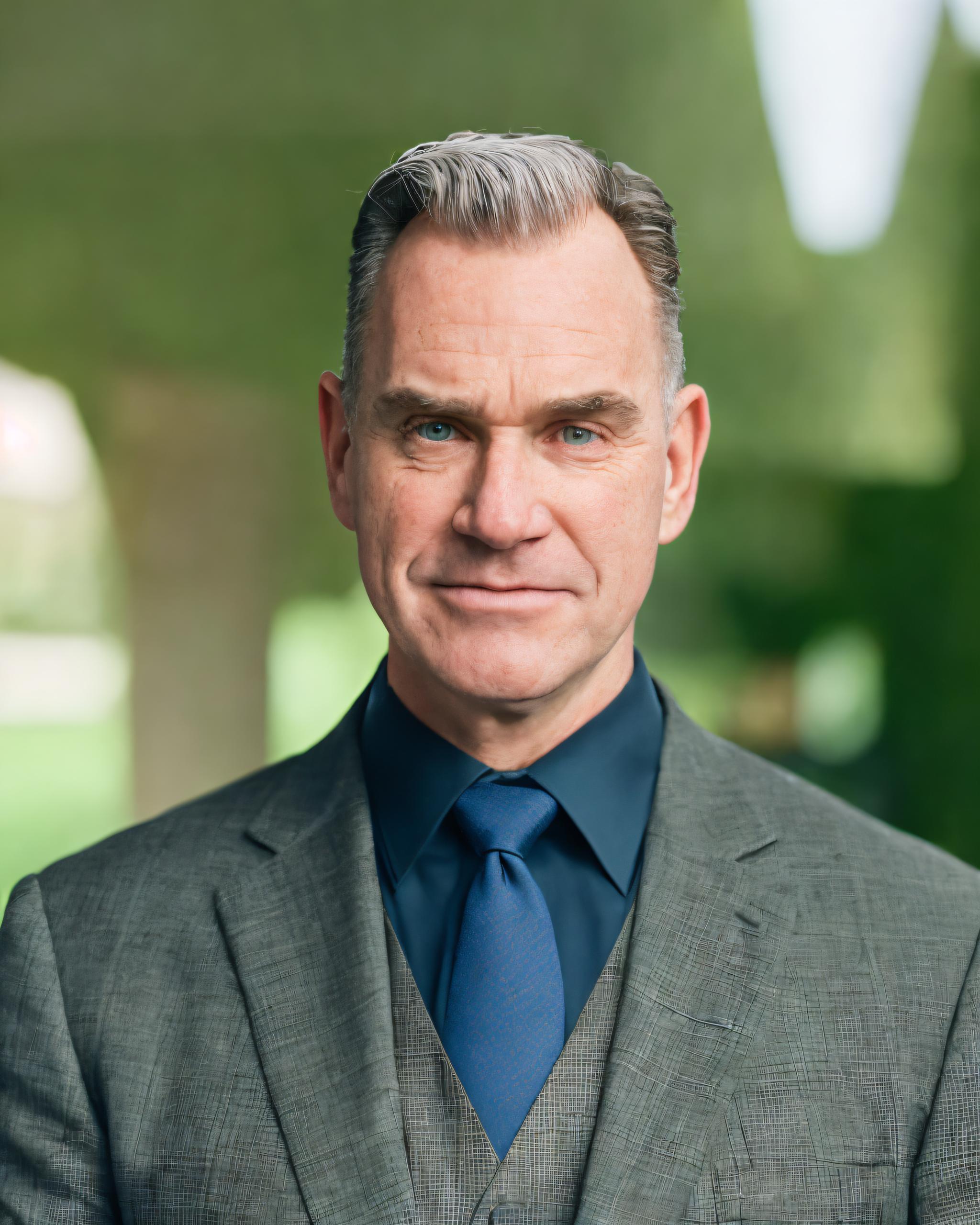
Dave Seymour is a well-known real estate investor, TV personality, and motivational speaker who rose to fame during and after the 2008 housing crash. CEO of Freedom Venture Investments: A company focused on multifamily real estate investments and private equity. After serving as a firefighter for over 16 years, he transitioned into real estate investing full-time and quickly built a successful career. He is an expert in commercial multi-family and ground-up development transactions. A&E’s “Flipping Boston” featured Dave, and he has also appeared on CBS, ABC, CNBC, and FOX News. He helps both new and large investment groups through complex deals at Freedom Venture Investments. Legacy Alliance is his education outlet, showing busy professionals how to master investing for cash flow and equity.