Derek sits down with Houston-based investor and capital raiser David Priest to unpack two decades of lessons: surviving the 2008 crash, shifting from transactional work to passive/commercial deals, why operator track record and conservative underwriting beat flashy pro formas, and how to protect yourself in today’s capital stacks (avoid bridge debt, prefer simple structures with LPs directly behind the bank). They also cover buying when others panic, the power of boots-on-the-ground, and a novel principal-protection approach for LPs.
—
Watch the episode here
Listen to the podcast here
Welcome to the Generations of Wealth podcast. I am your host, Derek Dombeck. And today’s show, I love interviewing people that have been in the business for a couple decades like me. Because, you know, these conversations take a different turn. We’ve seen different cycles. We’ve got different experiences. And that’s David Priest. David’s from Houston, Texas area. And, you know, we’re talking a lot today about passive investing into commercial deals and how he got there. Before I bring David on, you know, I’d always like to take a minute to thank you for being here. And anything that I can do to help you in any way, shape, or form, don’t hesitate to reach out. So you can go to DerekDombeck.com. You can go to TheGenerationsOfWealth.com. Or you can just shoot me an email, Derek@GlobalGOW.com. Let me know how I can help you, and we’ll go from there. So with all that said, let’s bring on our guest. And here he is all the way from Woodlands, Texas, Mr. David Priest. David, thank you so much for joining us on the Generations of Wealth Show.
Good morning. It’s a pleasure to be here. Well, David, we were jamming a little bit pre-show and talking about a couple things, comparing your part of the country to my part of the country, But why don’t you just tell everybody where you’re from, kind of your background, and we’ll dive into your story. Sure. I’m from the Woodlands, Texas, and that is a suburb of Houston, so just north of Houston, Texas. I’m a native Houstonian, so most of my ideals I do know are right here in Houston. So I’m very – I feel like I’m an expert in this area, and I’m very fond of Texas, and it generally does really well in good times and bad times. In good times, we do well. In bad times, we seem to do better than most other places. So I’m really a big fan of doing deals here in Texas in real estate. Got started in real estate originally kind of transactionally in 2003. I was a mortgage broker. Did that for about five years. Kind of learned the trade working for somebody else. Then I went on my own in 2008, about six months before the world fell apart and got through that. And everyone was telling me this is a terrible business. You need to quit. This is a bad time. And go get a real job. And I decided to stick through that and not quit. So I learned a lot about resilience and also learned about when things get tough, it thins out your competition. So if you’re good and you can stick in there, it actually makes it easier because you have more of the business to yourself. So did that. My wife and I got married in 2008 also. She was working in oil and gas, kind of a traditional W-2 job. And so we made the decision, let’s live off your money. Let’s budget that. We’ll save mine. And so we started saving. And at that time, I was just working transactionally. I was mortgage brokering. I was doing real estate. I became a real estate broker. All transactional, no rentals, no single families. One of the biggest mistakes of my life, because if I had been buying stuff in 2009 and 2010, it would have been a really good time to buy those things. But we did really well in the stock market, and we were running along. It was a bull market. Everything was going great. My wife thought I was a genius because the market was doing so good. We got down to 2020. The pandemic happened. It’s like the ultimate black swine comes out of nowhere. And our portfolio got cut in half. So I was looking at that and going, wow, this is not good, and it’ll probably come back. But what if this happened 10 years now, 15 years now, when we’re retired? What will we do? So I started thinking about alternative investments in real estate and got interested in that. And I was starting to look around. And I ran into somebody that was a friend of mine that was doing some commercial. And he was talking about syndications. And I honestly didn’t know what a syndication was. I knew nothing about commercial real estate. So you can be an expert in single family or in your niche. And then other parts of real estate, you can be completely clueless. And so I was very clueless. But I was afraid of managing property. So investing as a passive seemed like an interesting thing to do. And so originally I was going to be a passive and people said, well, you got to get educated. You got to read books and watch podcasts. So I was doing that. And then I got cancer in 2022, which during the time I was trying to figure all this out. So I had to stop working for a while. During that time, my wife had retired from an oil and gas job and I was supposed to be going out there and killing it in my business. And so I had to take some time off and do some chemo. So I was retired for about four months and I had the big 401k and IRA and I started pulling money off of that. And it was horrible. It’s the worst thing ever.
When you stop working, you don’t have a paycheck and you’re drawing off the retirement funds. It’s panic city. So I decided I never want to do that again. I want to have cash flow and keep working the rest of my life and doing something I’m enjoying. And then cancer also changed my mindset to like not waste a day. Don’t think about, you know, don’t plan like 10 years I’m going to do something because there really is no future. There’s now. So get things done and try to become spectacular. And I was coasting very mediocre kind of person. And so it changed me to like I need to be something unique. If I had been dead in three months, what would my life have looked like? So it was a real important part of getting me ready. It was like God’s preparation to get me ready. So I decided to dive in and do commercial. I was going to be an operator. I was doing some passives. And I was like, I need to go out and buy a property. So we started looking at properties. I spent about a year getting really educated, going to buy a property, got a 90 unit under contract in 2023, was going to go be an operator, had a bunch of problems on that deal. We had problems in due diligence. We had money that was hard. We had to walk on that deal. We actually lost some money on that one, which was no fun. But it was a really good experience for me. And raising money, I had to send all the money back. So I said, I knew I could raise money. So I raised the money. That wasn’t a problem. I sent the money back. So I had a person that was going to help me on that deal that had a 296 unit come up. So I jumped in with him and started raising money for other people and kind of became a capital raising specialist for other people’s deals. and not being an operator, which is more of a low-risk position for me. And that’s what I do now. I raise money for large real estate projects for other people that are great operators.
Okay, so there’s 20 years summed up in a nutshell. Good show. That’s a wrap. I think we’re done. No, obviously, we’re going to pick this apart a little bit because there’s so many lessons in this, David. And that’s the beauty of talking with people that have been in the real estate business or investments just in general for many years and through different market cycles. So when you started your mortgage brokerage or became a mortgage broker, everybody else was fleeing the business, as you said. And myself personally, I was on the opposite side of that coin. I was one of those guys that was losing everything and couldn’t buy when I wanted to buy in 9, 10, 11 the way I wanted to. So I guess let’s start with that. How did you find business back then? Because it was tough. I mean, there was not a whole lot of people looking for new loans in that market at that time.
Right, right. Well, it was very much a period of transition. So when I was in learning the trade, let’s say from 2003 to 2008, we were doing regular Fannie Mae. We were doing a lot of subprime. There was a lot of subprime out there. There was a ton of subprime here in Texas. So I was doing that. And so when I got to 2008, and I remember subprime was starting to have a lot of problems. There was a big subprime company called New Century. I think they were featured in the big short. When they went bankrupt, it was a total surprise. And that was kind of in the middle of 2008. And I said to myself, this subprime thing, this is over. This is done. If these guys are going bankrupt, everybody’s going bankrupt. And so I switched gears and I decided to only do prime mortgages and just do stuff that was really clean. So that was good. It helped a lot that my wife had a W-2 at the time and she was a little successful. So we were able to kind of power through that. And there wasn’t a lot of transactions going on because not a lot of people were buying houses because prices fell. It was difficult. But then when the rates lowered, because the Fed started lowering everything, there was a refinance boom. So the refinance boom helped me make a lot of money because everybody was trying to refinance. And a lot of people were calling the person they got their loan for in 2008. And the phone was disconnected or they weren’t answering the phone. And so they were looking for people. So if you were still working, you know, there was like, I think in Texas at one point, there were 80,000 mortgage brokers that were licensed. And around 2010 or 11, there was like 5,000. So it was like a 90% attrition rate of people getting out of the business and people that weren’t serious. So I was able to stick in there. And I learned from the financial crisis, you know, if you’re in a business and it’s out of favor, a lot of people will quit. So if you’re good and you stay in there, whatever’s left, you have it to yourself and you might have a bigger slice of the pie because everyone quit, even if business is down. And I think there’s a lot of application like in multifamily right now for that. The other application was when everyone says it’s crashed or this is the worst market we’ve ever seen in the world, that’s the time to start buying as many things you can get your hands on. So buy whatever crashed. Whether it’s back in time, it was single family, it was multifamily, the stock market crashed, really almost everything crashed. But if you’re in a period where everything looks okay, but you’ve got one asset class or, wow, that’s really horrible, that may be a good time to take a look at that. Unless there’s some kind of change in people’s lifestyles of the market that doesn’t favor it. I’m not saying going out and buy office right now. I don’t know. That’s a hard one to figure out. But some people will make a lot of money in office because it is down so much. The people that are smart, I don’t know who these people are. In multifamily, a lot of people will make money because there’s a lot of great deals out there. The amazing thing about single family is how resilient it’s been. Even with the high rates, it’s leveled off. Single family is the most resilient asset class out there, 100%. There’s nothing even close to how resilient it is.
Well, in my opinion, and I’ll go back on you a little bit in a second, but in my opinion with the single family, which has always been my bread and butter, there’s so many additional exit strategies, right? When an office building goes vacant, it’s vacant. And, you know, it’s a dead asset for potentially ever. But if a house doesn’t sell, you can at least rent it out. Or you can lease option it out. or, you know, there’s just, there’s different things you can do to at least get some money out of it. So I think there’s some resilience there. Also, single families, you know, families can live together. Mom and dad can move in with their kids or vice versa. There’s, again, versatility. Now, when you were talking about the thinning of the herd, I call it, I love it. Like there’s, It’s capitalism at its best, right? I believe it was 2021, I saw a comment somewhere. There was more licensed real estate agents in the United States than there was listed properties for sale for the first time in history. And, of course, when there’s a boom, everybody just comes out of the woodwork and goes and gets a license. And even at that time, take a guess what the average realtor made for annual income.
$30,000 a year maybe even less than that was probably not very much it was under $6,000 because the majority of them went and got licensed but couldn’t get a listing or didn’t actually sell anything right so now as we see the average days on market in most places is extending out things are shifting depending on what coastline you’re on north south you know we all have different markets. I’m in the Midwest, so we don’t have the huge ups. We don’t have the huge downs. And we’re fairly stable. Most of my markets that I do business in right now are averaging 30 to 45 days to get a contract on their house. But there’s a lot of areas that are getting worse. So again, there’s a thinning of the herd. And I also liked what you kind of said of go the opposite way like don’t follow the herd mentality right you right now you’re looking at at the the commercial apartment stuff a lot of people myself included I I didn’t even didn’t even bother looking at anything that was commercial apartments for the last five years because there was nothing that was interesting to me I I don’t do marginal deals um And I believe that’s something that we’re going to touch on a little bit too, because I think that’s really important. I know that you’re doing a lot of passive work and raising money for other people’s deals, as you mentioned.
There’s different mentalities with operators based on how long they’ve been in this business. Would you agree? 100%. And when I’m raising for passive deals, that’s my first thing is the experience of the operator and the track record. That’s what I look at. That’s the first thing I look at. The interesting thing about the psychology of the way people look at investments, everyone always quotes Warren Buffett. They’re talking about buying when there’s blood in the streets and doing all these things. But then when there’s actually blood in the streets, everyone’s scared and doesn’t buy. So people like to talk a big game. But basically, if you look for things that are undervalued, that are way down, and you don’t always time the market. So if something’s way down, it may go down more. But generally, if something’s way down and you have a long-term perspective, you’re going to do really, really well. But most people get excited. What happened in multifamily was there was a really good purple patch there when rates were going down and cap rates were going down. And it was a great time. And people were making the 30%, 35% returns. They thought that was going to last forever. And when they got out of the deals, they doubled down. And operators were taking excessive risk. And in fact, some operators were taking more risk because they were trying to compete for a pool of money. So riskier deals look better because, hey, we made a 35. Next time we can make a 40. And they were going on taking unusual risk. And I don’t look at real estate as like a home run business. So I look at it as like it’s a foundational wealth business where you can make 15 to 20 percent a year. You can be safe. You can be very careful. You try not to lose money. If you don’t lose money, the profits are going to take care of themselves. You’re always going to be fine. What kills people is being a high flyer, losing money, the boom and bust, or I killed it on six deals. I lost money on one, and so it erases all the gains on the one you killed it on. So it’s about being consistent. And if you’re going to try to go out and you want to have a 10X and you want to brag at a bar about it, then go do venture capital or angel investing or something like that. That’s not the real estate business. That’s not what we do.
100%. And one of the things that I’ve seen in my couple decades in this business is I coach and mentor and have taught people over the years, everybody always wants to push it. Like they’ll go and look at a house. We’ll just talk single families. They’ll go and look at a house and they won’t stick to their number. And through the entire boom, I’ve not gone above 65% of after repair value minus repairs other than two times on any flip in the last dozen years. I just won’t do it. And all my competition will go up to 70, 75, 80% of after repair value minus repairs. And, you know, I watched them make a lot of money for a couple of years, for even, you know, three, four years. Now I’m watching those same people, you know, they’re bust because they got stuck with some properties that, you know, they couldn’t refinance or they couldn’t sell or whatever, right? Or didn’t make what they thought it was going to make. So that’s that whole conservative nature of having gone bust in the past and not wanting to ever have that happen again. That’s the operator side of me and the operator side that you, you know, say you look for in your deals. and quite frankly there’s no teaching that you know I can tell those stories you can tell those stories from back in the day when the markets were terrible but people that weren’t in the business they hear us and it goes in one ear and it kind of joggles around in their head and then it goes right out the other ear because they’re like oh that’ll never happen to me right well I hope it never happens to you but realistically it probably will yeah i use the example i tell people if you can find an operator that’s been doing it 10 or 15 years and let’s take and go back to the financial crisis they were getting started and that they went through that they get 10 or 15 years they’ve gone through like with multifamily it’s typically a three to five year deal cycle but let’s call it five years. Let’s say they’ve gone through two or three of those. Okay. That operator is like an NFL player compared to if a person’s a rookie and it’s the first time out of the gate, they can be the smartest guy in the world, have some role of experience in other areas. They can be the hardest worker, but it’s like comparing an NFL football player to like a JV player in high school. It’s that much of a difference. So I think that like when you’re investing money, you invest with proven winners and that’s the best way to not lose money so when we’re doing the passive investing and and we look at the operators the main thing because officers don’t make mistakes and my really good operators they’re a lot more conservative they’re not promising the stars now they will usually exceed their business plan because they want to under promise and over deliver and they know it’s a way to attract a lot of capital for the next deal but they are generally a lot careful they’ve got a few cards, a few aces up their sleeves that they’re not telling people about that they think they can show people a better result. It also gives them a lot of cushion. So if something goes wrong, they feel like they can still at least do what they said they were going to do on the deal. So their underwriting is very conservative.
So the deals that you get invested in yourself, are you raising money in a junior position behind bank financing in a syndication? Yeah, these are generally syndications. and what I look for is I like, you know, you’ve got the bank financing and you’ve got the limited partners right behind that. I don’t like anything in between them. I don’t like prefect witty. I don’t like mezzanine debt. I don’t like capital stacks I can’t understand. So I always tell people if you’re an investor, you want to be the person in line behind the bank. Why don’t you back up one step, David, and just explain the differences to people that don’t know, you know, what mezzanine debt is. Okay. Dumb it down a little bit. Try to make it as simple as possible. So you have your bank loan that you’re going to get. So let’s say it’s a Fannie Mae loan that you’re going to get that’s going to be 60, 65% of the capital you’re going to need for the deal. And then typically people are going to try to raise the rest. Well, sometimes it’s difficult to raise the rest because right now this is a difficult environment to raise money in because people have had bad deals, lost money, or it’s not a favorable position. So let’s say you need to raise $10 million for that other part. That’s difficult right now. So what a lot of operators will do is they will go and add another second loan on top, which would be the mezzanine debt. They may have a preferred equity position for somebody that’s going to write a big check or a family office. And so the preferred equity, that would be somebody that really gets paid first. They are preferred to be paid out. So you could have a situation where, as an investor, you’re fourth in line to get paid after the two banks or the mezzanine debt and then the preferred equity, the family office or whatever. And it’s a bad spot to be in because if something goes wrong, you’re going to be the last person to be paid. So you’re the first person that’s going to lose money if anything goes wrong. So you’ve got to understand those risk factors. A lot of people don’t understand that. They don’t ask questions. They don’t know what preferred equity. They don’t know what mezzanine debt is. So you want to be careful. But that’s something that I bet on my deals right hard and my investors right behind the bank because that’s where I want them to be.
So that is where a lot of these syndications have gone upside down is because when they were buying based off of lower cap rates and lower interest rates, a lot of operators didn’t factor in because they have most typically three, five or seven year debt. on their front end, on the first position, then they can’t refinance or the property value is lower when it comes time to refinance or reposition that bank debt. And now the syndication, the private side is the one that has to either have a capital call, bring more money or start taking losses. And I’ve interviewed several people that do raise money for syndications. and I have plenty of them that are friends of mine, and I’ve raised many, many millions over the years for my own things. I’ve always preferred just to raise all the private capital and not use banks. But as you said, that’s very hard to do in some markets, in some situations, depending on the deal itself, because private money typically costs more than the bank debt, right?
Yeah, I mean, also, too, like if you’re raising money for a project, you’re an operator. And let’s say the family office that comes in, you got to raise $10 million. They say, we’ll give you five. We just want to be stacked where we’re preferred before anybody else. I mean, that’s going to be very hard for an operator to turn down. Yes. I understand. I get that. But that’s going to be disclosed up front. So what we look for right now is I have sympathy for people that got in trouble. Because I don’t think anybody could have predicted in 2022 how quickly the rates would go up. And the deals that I’ve seen that had long-term fixed rate debt, let’s say they bought the property in 2020, 2021, and they got a seven or 10-year Fannie Mae loan, those deals are not in trouble. I mean, they’ve had no problems at all. They just don’t operate through this. The bridge debt is a factor on every bad deal that I’ve seen. It’s not that every bridge deal goes bad, but every bad deal seems like a bridge deal. So I tell people right now to stay away from bridge debt completely on multifamily deals. And I know people are saying now, well, the rates have stabilized or they’re going down. And then I always point back to people and it’s like, okay, if you think rates are going to go down, let’s rewind and show me where you were somewhere in public in 2021 saying rates are getting ready to go through the roof and we need to be really careful here. And if you can’t show me that, then you don’t know the future course of interest rates. And don’t feel bad because nobody does. So I think you should look for deals that are long-term fixed rate debt and just focus on the operations. And what happened to multifamilies, people weren’t. They were using bridge debt. We’re going to make this property good. We’re going to raise rents. We get some good months on the book. We’re going to T12. We’re going to flip it to the next owner. We’re going to go out and do this again. They weren’t thinking long-term. It was more of a flipper mentality. and that works very well short term on like single families because you’ve got a three-month timeline maybe and you’re gonna you know but when you when you do a flip on multifamily it’s a three-year timeline and too much can happen in three years so i i tell people to stay away from those deals i’m not a fan of construction heavy deals right now either because of you know you have tariffs and things like that so i’m single family i think it’s a lot easier to manage on multifamily it’s a only set of problems. And so if you’re a passive investor, I think it’s better to look at deals that are simpler and safer and just go to your 15 to 20% return a year. You can get that without taking a lot of risk. Let’s talk about returns. A lot of these different deals, especially if you’re third or fourth in line, they’re going to promise you the world, but you’re third or fourth in line to get paid. So what, what are people seeing? What are you raising money at? Like, you know, I’ll, I’ll kind of give you an idea for me when I raise money for my, my own flips or, or transactions, if I’m holding longer term, you know, I’m anywhere from eight to 15% depending. But what I, I like to do, especially in my longer term deals is I’ll, I’ll put somebody in on a participating note, maybe with their retirement account. And so they’ll get six to 8% interest only, which allows me to cashflow a property. And then I’ll give them a percentage of the equity when we sell or refinance. So they end up with double digit returns. Their yield is unknown dependent upon when we actually sell or refinance, but we can, we can model it out into, you know, several years out, but that’s, you know, on small single family type transactions. What are you, you know, doing, seeing what, what is money costing you if you are raising it for your transactions?
So right now it’s an interesting time because everybody was using preferred returns for a long time. And that is part of the market that is probably permanent. Investors want to see that they like it. So generally it’s an 8% preferred. So let’s say the cost of money is 8% before your split even starts. What we’re doing on our deals, we just started doing this on my own deals, is your deal is offering the safety of debt and then some upside if the deal is successful, which is fantastic. What multifamily generally is, it’s not based on debt. It’s upside based on the project performing. The bad part of that, the downside of that is you can lose money if the deal doesn’t go well. So what we’re doing now is we’re going to start a program where we’re going to let people buy protection on their principal if they want it. And this is going to be deals I’m participating in. It’s going to be deals that I’m investing in personally that feel comfortable about, that I have some control over. I’m not going to scale this up and start covering other people’s deals. But it’s something where we’re going to offer principal protection. So people will pay an extra fee. They will get probably about 90% of the upside on a deal that is successful. But if something happens, we’ll use these reserve funds to pay the principal back or to make them whole. So let’s say they got, you know, they invested $100,000. They got $10,000 in distributions. Something went wrong. They got $40,000 back because they still took a haircut. Normally they would lose $50,000. Well, we would make the $50,000 whole if they participated in the program. And if they don’t like it, if they don’t want to do it, they don’t like the fee or whatever, they, you know, it doesn’t work for them. Then they just decline the e-sign. It’s almost like buying trip insurance. although it’s non-insurance, you just decline it and don’t take it if it doesn’t work for you. This is something I’m starting that’s completely unique. I don’t know of anybody else that’s really doing it, but we’re doing it on safer deals. But it’s just an extra margin for people that, okay, if everything goes wrong, I can at least get my principal back if I pay a fee.
So what happens if deals never go wrong? I mean, that money is sitting in, I’m assuming, an interest-bearing account, of course, and gaining. That’s upside for me. I put in an FDIC-assured account. It sits there for four or five years. Once people get their money back, I keep the fee. It’s my money. They didn’t need it. It’s profit for me. So it works for me. I have to be very patient. I’m going to have to wait four or five years until a deal exits. And then at that point, yes, I’ll make more money on the deal if it goes well. But if it goes bad, I’m going to use it to bail people out. And if my calculations on my math are wrong, then, you know, I’m going to be in trouble. I mean, I feel like not only use the reserve funds, I might do some of my exits. So what we’re telling people in this program is we have the full deal cycle to get your money back. So if you invested your money, you know, at this point, generally on syndications, five years. So if something goes bad in year two, I’ll try to get your money back immediately. But we have the three years if we needed it because we told you it was ill-liquid from the beginning for five years. So it gives me a margin if I need it, if I have to do some exits. And the whole idea is to supercharge the capital raising. And it’s like any big business. You build an empire. If you build McDonald’s, it kills it. It does great. And then somebody spills like coffee in the lap in the drive-thru and you got to pay them off. That’s just part of the cost of doing business. So that’s the way I look at it.
Absolutely. Absolutely. Well, David, I’m going to ask you a very hard question that I ask almost all of my guests. What is one question I should have asked you that I didn’t? Wow, that’s a good one. I would say, you know, what makes you different from all the other people out there? That would be like, that’s always the best question. What is your unique thing you do that’s totally unique? And for me, I would say I’m really good at analyzing deals and looking for flaws. And I’ve got a really good BS detector with operators. So I can meet operators, have lunch with them. I can look at them and I’ve got a pretty good BS detector with people and I can see, you know, their personality and what they’re doing. I would say that’s the thing I do really well, and I get to know my operators pretty well. And also, since I’m an independent capital raiser and I’m raising for my own deals, I spread money out into a lot of different operators. I’m doing different asset classes. Now, I’m getting ready to do a storage deal here in Houston. Never done storage before, okay? But I’m not an expert in storage. But I’m partnering with somebody that has $800 million worth of storage facilities, and he rebrands stuff and sells it to REITs. and he’s got an amazing track record. So if you’re going to invest passively, you don’t have to know everything about the asset class. You just have to build a partner with amazing people. And that’s really the secret sauce of real estate is figure out what you’re good at, where you can add value, figure out what you suck at or what you don’t want to do, and partner with somebody that’s good at that and realize that you can’t do it all. If you do it all, you’re always going to remain small. And some people can. Some people can make a pretty good living at it. But if you really want to go big time, you know, the collaboration and finding other people that fill in the holes of things you can’t do. And it could be like if you’re doing flips, it could be a contractor that you work with that you don’t self-contract your own stuff because you’re not good at it. It could be somebody that raises money for your deals because you’re not good at raising money. So you’ve got to figure out what you’re good at. And sometimes you can become good at things and develop new skills. But generally, it’s a lot easier just to find somebody that’s already really good at that and collaborate with them. And that Who Not How book that’s right behind me, I recommend everybody read that. And don’t spend 10 years learning something that you don’t know how to do very well when you can just collaborate with someone today that’s already good and let them do it. And that’s a much easier way to live your life.
Absolutely. And I think one other thing to point out is you are doing deals in your backyard. So you’re very confident with your own area and your own expertise. And I see that. And there’s nothing wrong with investing in other markets and all those things. But to me, boots on the ground is what’s so important. And people that you trust somewhere, wherever you want to invest. I hear and talk to so many people that they want to invest in the Midwest because they can still buy cash flow here. and they can’t buy cash flow where they live, and they don’t really know anybody in the Midwest, and they pay way more money than they should for shit properties and end up in trouble simply because they didn’t have boots on the ground that they could trust. Right.
Yeah, in multifamily, like in the Midwest, the cap rates are generally higher, and so that means the properties are less expensive with a cap rate. But what’s interesting about it is the cost of debt, like a Fannie Mae loan, it’s exactly the same everywhere, whether you’re in Texas, Florida, or whatever. So if you go a place with higher cap rates and you’re investing there, that spread is better between the cap rate and the interest rate on the loan. So you’re going to get more cash flow, and it’s good. And if you don’t really know those markets, though, you need to find and coordinate and collaborate with somebody that’s already an expert in that market. Because one of the biggest risks is you have somebody that’s good in a market. Like, let’s say they’re good in Houston. And they go, oh, we’re going to go out and start buying properties in Atlanta. Well, I mean, that’s a totally different market, a different risk. And if they never invested there before or done anything, they’re much more likely to make a mistake. And so my operators, I look for people that live in the market they’re investing in. So if they’re buying properties in Houston, they should live in Houston. So I like that. And if you’re going to go into other markets, then go find people that are experts in those markets. And with Pass Invest, you can do it. It’s funny you mentioned, I know you’re from Wisconsin. I did have an operator that I really think is a great guy. They’re a long call. And he called me and said, hey, I’ve got a deal in Madison, Wisconsin. And he wanted me to raise money for it. And I told him immediately, I said, no. I said, I just don’t know about market. I don’t know anything about Madison. You’re great. It’s going to be great. But I said also with my investors, a lot of them are in Texas, and it’s going to be challenging. They like stuff in Houston or San Antonio. They’re more comfortable with it. So, yeah, I mean, knowing that market is really good. And you can be a rock star in one market, and you go into a new market, and you make a lot of mistakes. Absolutely.
Well, David, we’re going to wind this up, but I always enjoy, again, talking with people that have been in the business for a couple decades. The experience that comes from different markets is priceless. And we pay for education one way or another. We either pay for it up front or we pay for it through mistakes. And I know I’ve spent a lot in both cases. So, again, thank you so much for your time. Thank you. I enjoyed it. Awesome. Well, for all of you regular listeners, thanks for being here. If you just found us, thanks for finding us. And as always, you know, help us spread the word for the generations of wealth. And, you know, go out there, social media and everywhere else. Give us the likes, the loves, and all the things. And until next week’s show, go out there, do some deals, and live your vision, and love your life. See ya.
Important Links:
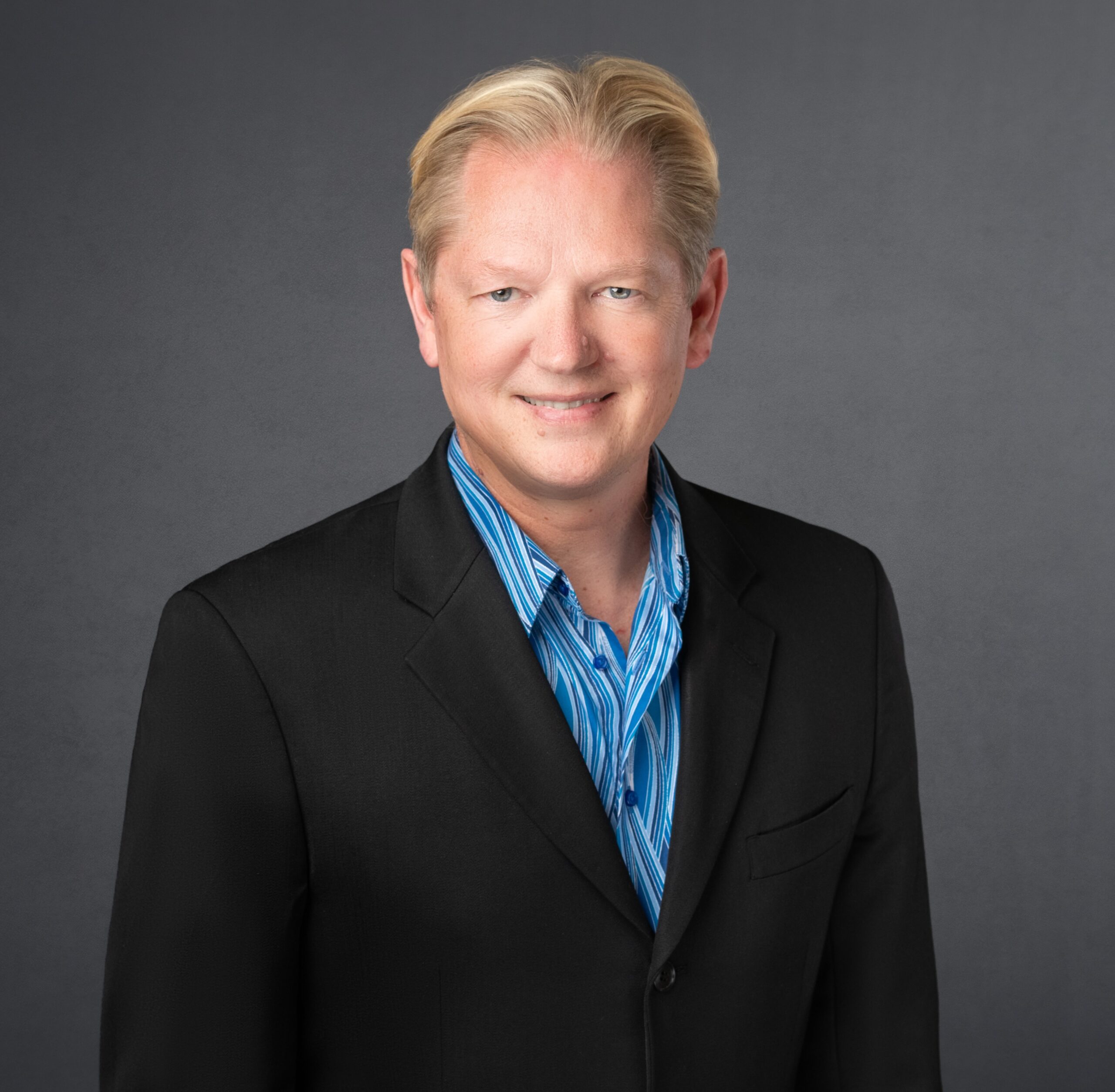
About David Priest
David Priest has been a complete real estate professional for over 20 years. He connects investors with the best operators in the Multifamily asset class to deliver tax-advantaged, double-digit returns. Underwrote and Funded over $600 Million in residential/al mortgage. He is the General Partner on over 700 units of apartments and a Passive Investor with over 10 Apartment Syndica/ons / Oil Gas Deals.