In this episode of the Generations of Wealth Podcast, Derek talks with Denis Shapiro, founder of SIH Capital Group, about the hard lessons he learned moving from single-family landlord to limited partner to full-time syndicator — and why he believes charismatic marketing, crowdfunding platforms, and even AI will never replace the relationship-driven side of real estate.
Watch the episode here
Listen to the podcast here
📄 Summary
Denis Shapiro started investing in 2010 with a single-family rental in East Orange, NJ, and quickly swore off active landlording after a rough hands-on experience. He shifted to passive investing, became a limited partner in his first syndication in 2014, and co-founded an informal investment club in 2018 to pool capital into deals. Strong returns between 2018 and 2022 gave him the confidence to launch his own company, SIH Capital Group, leaving his government job during COVID to start running deals instead of just investing in them; the firm has since grown to operate in six states with a hospitality division near the Jersey Shore. Denis is candid that many LPs, including himself early on, get pulled in by an operator’s marketing and personal brand rather than actually vetting how they run the business — he looks for real signals like whether you can reach the principal directly versus only an investor relations team, and even lifestyle cues like what car they drive. He warns against the “crowdfunding era” mentality that tech can replace relationships in real estate, and credits a free, no-sales COVID-era mastermind focused purely on underwriting fundamentals (debt structure, conservative projections, proper insurance) for teaching him how to actually operate responsibly. The conversation closes on networking philosophy — give before you ask, follow up genuinely with people you meet, and mentor those a few steps behind you while learning from those a few steps ahead — and Denis’s advice to his younger self: enjoy the journey, because relationships matter more than net worth or network size.
⭐ Key Takeaways
- An operator’s marketing presence or public profile says nothing about whether they can actually run the business well — those are separate skill sets entirely.
- Before wiring capital as an LP, do real due diligence on the operator: background, culture, and whether you can reach the actual decision-maker.
- Watch for operators who make themselves accessible early to raise money, then disappear behind an investor relations team once they’ve scaled.
- Real estate remains fundamentally a relationship business — technology and AI can support it, but can’t replace the trust and judgment calls that drive good deals.
- A low-pressure, education-first mastermind focused on real fundamentals (debt structure, conservative underwriting, insurance) can be worth more than years of deal experience learned the hard way.
- Avoid variable-rate debt when a fixed-rate option is available — it was one of the biggest differentiators between operators who survived 2022-2026 and those who didn’t.
- Don’t syndicate deals for others until you’ve personally invested as an LP and seen how deals actually perform.
- Use LinkedIn and networking to learn the language and fundamentals of the business, not just to pitch yourself.
- Follow the “three behind, three ahead” rule: mentor a few people just behind you while staying close to a few people just ahead of you.
- Approach every new relationship with a give-first mindset — the people who only take get filtered out quickly.
💬 Relevant Topics Discussed
- Limited partner (LP) vs. general partner (GP) investing
- Vetting real estate operators and syndicators
- Multifamily syndication
- Real estate crowdfunding
- AI’s role (and limits) in real estate
- Debt structuring & conservative underwriting
- Masterminds & mentorship
- Investor relations & transparency
- LinkedIn & networking strategy
- Hospitality / short-term rental investing
- Building a real estate company culture
🔍 Spotting the Difference Between a Marketer and an Operator
A central theme of the episode is Denis’s warning that the syndicators who attract the most new LPs are often simply the best marketers — not necessarily the best operators. He describes watching formerly accessible “faces” of large raises become unreachable once their companies scaled, replaced by investor relations teams, only to become personally available again once deals started failing and they needed to rebuild trust. His advice: evaluate the person running the deal directly, not just their media presence or credentials.
🎧 Why Should You Listen?
This episode is a candid, no-names-named look at the gap between real estate’s public personalities and the operators actually running solid deals behind the scenes. Denis’s path from burned-out landlord to LP to founder of a multi-state syndication company offers a grounded framework for vetting who you trust with your capital, understanding why debt structure can make or break a deal, and recognizing that the relationships you build — not the size of your network or your net worth — are what actually carry you through tough markets.
Important Links:
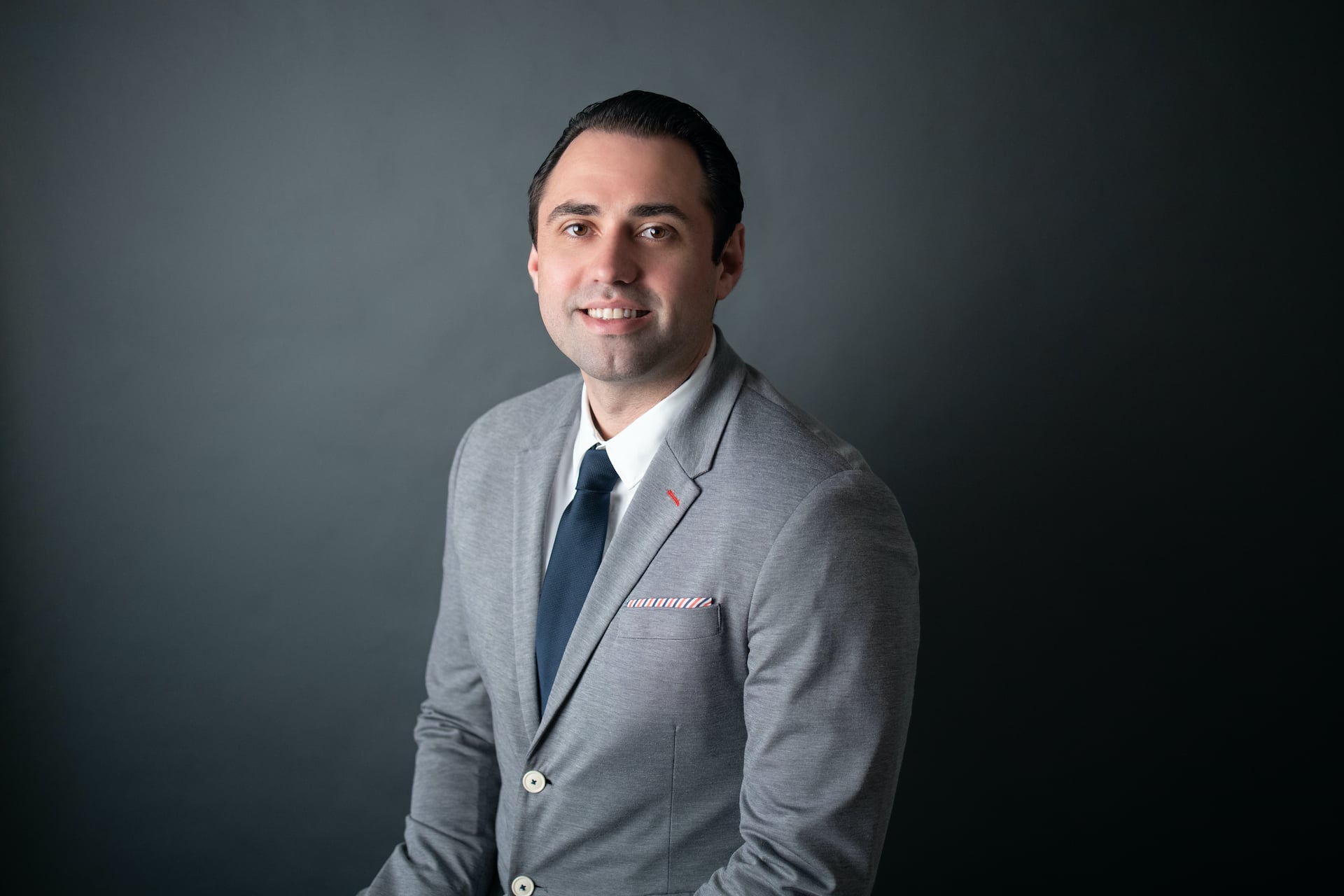
About Denis Shapiro
Denis began investing in real estate in 2012, when the market was just beginning to recover from the GFC (Global Financial Crisis). He built a cash flowing portfolio including many alternative assets, such as Note and ATM funds, mobile home parks, life insurance policies, tech start-ups, Industrial property, short term rentals, and more. He co-founded an investment club for accredited investors in 2019. Following the success of his investor club he launched SIH Capital Group. SIHCG provides accredited investors with a simplified strategy to invest for passive income.
Denis has observed key changes in the alternative asset market in the decade of recovery from the GFC. The JOBS Act of 2012 opened many alternative assets up to everyday investors, but clear expertise and guidance is still hard to find nearly a decade later. This observation compelled Denis to write The Alternative Investment Almanac: Expert Insights on Building Personal Wealth in Non-Traditional Ways in 2021. His book is based on his own experience becoming a successful alternative asset investor and interviews with some of the best alternative asset investors in business today.