In this episode of the Generations of Wealth Podcast, Derek talks with Travis Watts, a full-time limited partner (LP) investor and passive investing educator, about what it actually takes to vet a syndication, survive a down market cycle, and — after getting burned by two separate Ponzi schemes — build a portfolio strategy that never depends on getting everything back.
Watch the episode here
Listen to the podcast here
📄 Summary
Travis Watts spent his first six and a half years as an active investor — fix-and-flips, vacation rentals, house hacking — before realizing it had become an unpaid full-time job, and shifted to passive LP investing around 2016. His first deal was a $50,000 check into a Phoenix multifamily value-add syndication, found through an accredited investor meetup in Boulder, Colorado; he doubled his money and built a strategy around stacking many smaller cash-flowing investments. Deal flow was abundant at the 2021-2022 market peak, but has slowed considerably since as floating-rate debt resets have wrecked some of his holdings, and he candidly shares that he’s been an investor in two separate Ponzi schemes over the last five years. His vetting framework comes down to three factors — market, operator, and deal — with debt structure now weighing heaviest given how many sponsors got hurt by floating-rate loans. Travis warns against ignoring real estate’s roughly ten-year market cycle (he rolled money into deals at the 2022 peak assuming “this time is different”) and argues against over-researching: get to about 70% certainty, diversify across operators and asset classes, and get in. He closes on why he prioritizes cash flow over speculative growth — comparing a high P/E growth stock to buying real estate at a 1% cap rate — since cash flow returns capital over time and limits how much you can ultimately lose.
⭐ Key Takeaways
- Active real estate investing can quietly become a full-time job — know when to transition to passive strategies if that’s not your strength.
- Diversifying across many smaller passive investments (rather than one large one) limits the damage any single bad deal or bad actor can do.
- Vet every deal on three factors: the market, the operator, and the deal itself.
- Debt structure (fixed vs. floating rate, leverage level) has become one of the most important factors in whether a syndication survives a downturn.
- Even careful investors get burned — Travis was an LP in two separate Ponzi schemes, which is exactly why diversification matters.
- Ignoring market cycles is dangerous — real estate tends to move in roughly ten-year cycles, and betting “this time is different” is a warning sign, not a strategy.
- Analysis paralysis has a real cost — getting to about 70% confidence and then acting beats endless research that never converts into investment.
- The “infinite return” concept — getting 100% of your capital back through cash flow and refinances while still owning the asset — is a powerful long-term goal.
- Cash flow investing caps downside in a way pure appreciation/growth bets don’t: you can’t lose 100% of an investment that’s already been paying you back monthly.
- Risk tolerance is personal — know whether you’re a “jump in and adjust” investor or a “research extensively first” investor, and build your approach around that truth.
💬 Relevant Topics Discussed
- Limited partner (LP) investing
- Active vs. passive real estate strategies
- Syndications & private placements
- Deal vetting: market, operator, deal
- Debt structuring (fixed vs. floating rate)
- Real estate market cycles
- Diversification across operators & asset classes
- Ponzi schemes & fraud red flags
- Cash flow vs. speculative growth investing
- The “infinite return” concept
- Analysis paralysis
- Risk tolerance
💵 Cash Flow vs. Growth: The Case for Getting Paid Along the Way
In his closing answer, Travis draws a sharp comparison between high-valuation growth stocks (where a 100x P/E ratio effectively means it would take 100 years to recoup your investment from profits alone) and buying real estate at an unsustainably low cap rate. His argument: cash-flowing investments return your capital incrementally over time, so a total loss becomes mathematically harder the longer you hold — versus a pure appreciation bet where the entire outcome hinges on someone else paying more for the asset later.
🎧 Why Should You Listen?
Most conversations about syndications focus on the people raising the money. This episode flips that lens entirely — it’s a real, unfiltered look from the investor side: how to vet a deal, why debt structure matters more than most LPs realize, what it feels like to lose money to fraud, and why Travis still believes in the asset class despite it. Whether you’re considering your first passive investment or already have capital spread across multiple operators, this conversation offers a grounded framework for thinking about risk, diversification, and why cash flow — not just equity upside — should anchor your strategy.
Important Links:
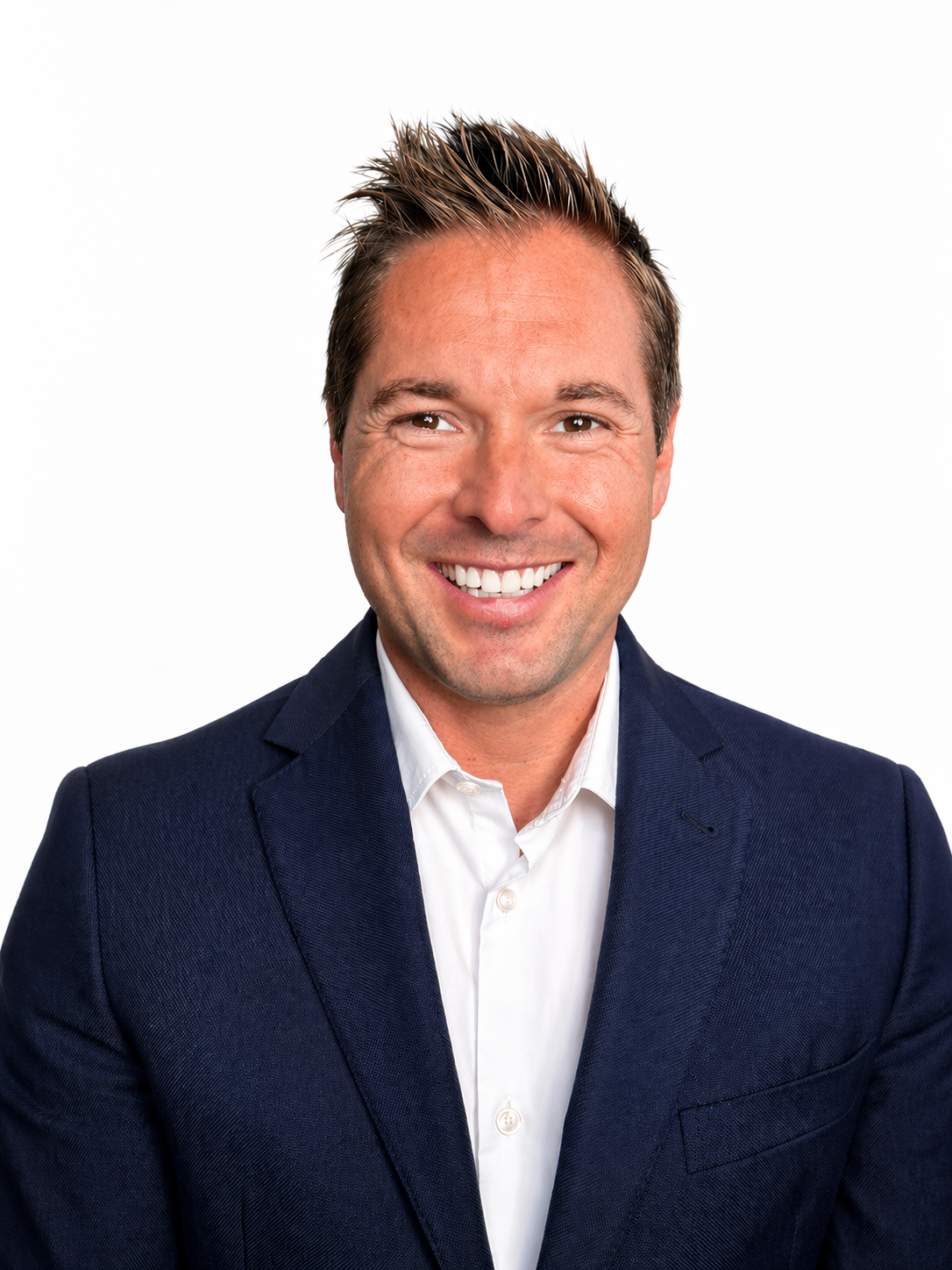
About Travis Watts
Travis Watts is a seasoned real estate investor, public speaker, and investor relations manager at Spartan Investment Group. With years of experience in the real estate investing industry, Travis has built his expertise around multifamily investing, passive income, and helping investors create long-term financial freedom. As an investor, Travis understands the challenges that come with building wealth through real estate and has developed a passion for educating others on how to approach investing strategically. Through his work at Spartan Investment Group, he helps investors understand opportunities in the multifamily real estate space and make informed decisions about building and protecting their wealth.
Travis is also a sought-after public speaker and educator, sharing his knowledge and personal experiences with audiences interested in real estate, investing, financial independence, and wealth creation. His approach focuses on practical strategies, investor education, and the importance of creating sustainable, long-term wealth rather than simply chasing short-term returns. Through his investing experience and work with other investors, Travis continues to help people gain a better understanding of passive real estate investing and take meaningful steps toward achieving greater financial freedom.