In this episode of Generations of Wealth, Derek Dombeck sits down with financial advisor and entrepreneur coach Brian Herriot to discuss the concept of time freedom—structuring your work and finances to create a flexible lifestyle now, rather than waiting for traditional retirement. Brian shares his personal journey from chasing early financial independence to designing a life where he works on his own terms, spends summers in Wisconsin, and helps entrepreneurs, especially small business owners, create similar freedom. The conversation dives into practical steps, mindset shifts, and the balance between work you love and the time to enjoy life.
—
Watch the episode here
Listen to the podcast here
Welcome to the Generations of Wealth podcast. I am your host, Derek Dombeck. And you know what? Today, we’ve got an interesting guest that is not specific to real estate investing, but he’s actually a coach for all different types of business owners, and he’s also a Wisconsin native. So we’ve had a little bit of fun in the show, but also before recording. But his whole premise is how to build time freedom within your business. And it’s very, very much in line, as you know, with living a vision-led life and everything that Generations of Wealth talks about. So before I bring Brian Harriot on, I do want to just, as always, thank you for being here. And if there’s anything I can do to help you, anything my team can do to help you, don’t hesitate to reach out. Go to the website, thegenerationsofwealth.com. You can go to DerekDombeck.com or you can just send me an email directly, Derek at GlobalGOW.com. And, you know, let us help you. That’s what this is all about. So with all that said, let’s get on with the show. And here he is, a fellow Wisconsinite, Brian Harriot. Brian, thank you so much for joining us today on the Generations of Wealth Show.
Thanks for having me, Derek. It’s good to be here. We were kind of comparing notes a little bit on where we grew up and all the different things before the show started. And so you can absolutely tell everybody, you know, a little bit about yourself. I know that you grew up here in Wisconsin. You now spend time in California and Wisconsin. But give us the background. Yeah, so I was born. I was born in Ripon, Wisconsin, small town of 7000. I grew up, though, going in the summers and sometimes in the winters to visit my grandparents’ cabin, which was in the Northwoods of Wisconsin. So I have a love for that. And even though we’ve since moved to California, I’ve made it a point to get back here in the summers. And so now we have a place on Lake 17 up in Hazlehurst, Wisconsin. But I am a financial advisor for entrepreneurs. And what I promote is this concept of time freedom, which is, I think, a achievable much sooner in life than full financial freedom where you don’t have to work anymore. And fortunately, you know, within the last five years have been able to live this lifestyle that I work with my clients on. And it allows me, you know, like I mentioned, to live in the Bay Area in California for nine months of the year. And then we get to enjoy the beautiful summers of Wisconsin in the summer and then head back home before it gets too cold again. Yeah. Summer usually happens in Wisconsin on a Tuesday, maybe a Wednesday if it’s late. But we get a good run of one or two days. Exactly. My wife and I were married in June and it sleeted at our wedding. And we’ve been here the last several Junes and except for a couple days ago, it’s been pretty darn cold. Yeah, they always used to tell me summer starts on July 4th. I never believed that as a kid but as an adult I really truly do believe that yeah it’s a thing so anybody’s listening not from Wisconsin you might not relate but um it’s a thing for sure and and you can wake up in the morning and need a jacket and sweatshirt and by the afternoon you have shorts and and maybe even no shirt at all because it changes that quickly so well Brian you’ve got Wisconsin roots and you’ve got Midwest, I’m sure, you know, mindset and Midwest upbringing and all that comes with that. But how did you end up being, you know, this financial advisor that’s really promoting time freedom? And of course, what is time freedom in your definition?
Yeah, so I have always, I was raised to be like kind of a money focused person, not in a greedy way, but just in terms of investing and investing early, you know, doing the 401k thing, you know, from an early age and doing everything that you’re supposed to do. I even jumped on that early financial independence, you know, movement for a while and, you know, constrained my spending obscenely to try to retire early. And actually in 2020 was getting pretty close to that. But then as I was, you know, seeing it in the future and realizing I could, you know, live off some of these investments, what basically happened was the COVID stock market crash and it freaked me out. And, uh, at that point I, you know, said to my wife, you know, that whole early financial freedom thing that we were talking about, um, it’s now looking more like 20 years out. And so this is when I was 45. And so I was right back to, you know, a typical retirement age and, and I was a bit bummed by that because I’d been working so hard on this and to think that all that work, you know, was for naught. But then my wife actually turned to me and asked me, she’s, she’s actually from Hazlehurst, Wisconsin. So she, you know, we, we, we met in Wisconsin and she said, you know, if, you know, you say you wanted to do this early retirement, what would you actually do all day? And I hadn’t really thought about that too much. And so I’ve kind of finally settled on, you know, answering, answering her in such a way was like, well, kind of maybe the same things I’m doing, you know, like independent work, advising, but maybe just a little bit less of it. And so she, she called me out and she’s like, so you’re really not retiring early. And then it kind of dawned on me that I really, that really wasn’t my pursuit. Right. And, and my real pursuit was how could I create this lifestyle where I could live more flexibly, you know, on my terms for the people that I want to, you know, working with the people that I want to work with when I want to work. And I, I redid the math and I was, it would be able to do it in three years. So in 2023, that was the first summer that we spent. I did not work. Uh, we spent a month in Portugal and the rest, you know, a couple of months here in Wisconsin. And it was wonderful. And right at the end of summer, I started to feel the itch, you know, when the kid was going back to school that I wanted to get busy again. And I’m so glad that I recognized that while I’m still in my, you know, late 40s and didn’t, you know, push so hard, sacrifice and get fully free only then to realize that I wanted to go back anyway. So I, it was a kind of a lucky, fortunate, you know, set of events that led to that. And I really do truly believe in this lifestyle now. It’s not for everybody, but I think a lot of people when they hear how I live are kind of interested in it. And so that is what ultimately led me to do financial advising and do entrepreneurial coaching for small independent business owners. That’s really the market who I serve and who are really able to structure their work and their life to work in this manner.
So I guess define time freedom because to me, as I think of that, I think, okay, the typical entrepreneur, right? They try to get out of their nine-to-five jobs so they can work five-to-nine in their business. And instead of five days a week, it’s six or seven days a week. And ultimately, in the end, they’re maybe not miserable because they might enjoy what they do, but it’s pretty common in an entrepreneurial world. So I guess what do you define find freedom as? Yeah, like, yeah, you leave your corporate job or whatever to try to find freedom and then you end up in a worse case. I first describe time freedom by what it’s not. And the first thing that it’s not is work-life balance. Work-life balance to me is kind of a more narrowly focused view of kind of how you spend your days, right? and taking off it from noon to two or three, only to then work from seven at night until midnight to catch back up. So it’s really, that’s not what time freedom is. Time freedom is also not financial freedom, which I perceive to be, you have so much money, you don’t have to work anymore. So you lose your sense of purpose, you lose being able to work on creative things, or you end up kind of coming back into it later. And so time freedom is kind of in the middle. So time freedom is really kind of a different life path. And it’s one where you still do have to work, but you don’t necessarily have to work, you know, all out all the time. How I describe it is you can and should. It’s like this single stage of work and play, right? And so in a given year, if you look more broadly at the year, not at the day or the week, you can say, I’m going to go all in in the spring. And I’m going to, you know, I’m going to go into, I’m going to work 60 hour weeks for a couple of months because I’m passionate about what I’m working on and I’m excited. But then you’re like, no, okay, now I’m done with that. I’m going to pull back and I’m going to take two months and I’m going to come out of my business and I’m going to rest and relax. I’m going to think about what I could do more strategically. You know, you have the opportunity to think about your business instead of, you know, being in the midst of it. And so you’re, you are still working, but you’re working on your terms. That’s how I define time freedom. And then there’s ways that you, you know, there’s ways and ways in which you kind of go about doing this. But that’s, you know, in a basic sense, that’s how I would describe it.
Okay. So I come to you as a new client. You know, is there a step-by-step program that you run people through? You know, first step we have to do A, B, and C, and next step is CEF. How does that look? Yep. So time freedom has three components and it’s an evolution of what your typical financial freedom would be. So if you were financially freedom, you have your lifestyle and the lifestyle you need to maintain, your lifestyle expenses, and you need those covered by your savings and investments. Right. And for many of us, myself included, that’s not enough. And so those, you know, those two components are necessary in time freedom, but I also add a third, which is the work, of course. And so how can you structure your, the income you take to make from work, whatever that looks like, real estate investment, other passive income, lifestyle business, you know, anything like that, plus the money that you can withdraw from your investments safely and to last forever. Do those things add up to lifestyle expenses that you have? And so when I meet with someone initially, we kind of take a look first at that one-year picture, which is different than some people think you’ve got to build a ton of money or I have to build a huge empire of whatever. I’m actually thinking, okay, what would it take to live this one year? And then I have a calculator, the time freedom calculator. It’s free online. Anyone can access it. But it allows you to then take that one-year view and extend it out. So, for example, think of the time freedom calculator kind of like a retirement calculator, but with a twist. The retirement calculator doesn’t allow, like the retirement date, after which, you know, after a retirement date, you don’t work anymore. After your time freedom date, you do work some more. It’s just that maybe you work part-time or partial year. And so the time freedom calculator allows you to include that third component of the equation. And so the first step is you map your numbers out and you say, oh, maybe I could work part-time from 50 to 60 and then go to quarter time and then stop. You can map that all out and say, oh, the numbers could work for me. Then once you figured the numbers out, then it’s the strategy of how do you take what work you do and structure it in a way, leverage support team or whatever it is, one or two people, to allow you to take these extended times off, this extended time off from work.
So you had referenced working with smaller businesses. What’s your typical client? Is it just a solopreneur, one person operation, or is it kind of maybe somebody that’s got a staff of a dozen people or is it everywhere in between? The people that I work with and write for and speak to are your one to five people businesses usually. These are people that have what I would call a lifestyle business. Now, out where I live in the Bay Area, a lifestyle business is like considered a failure because you didn’t scale your business and take venture capital and do all this crazy stuff. And, you know, I actually was, you know, brought up. I’ve lived out there for 20 years. And so I thought the same thing until I realized, like, wait a second, this business that I have, I can structure it in such a way that I can take this summer stuff. Like, how is that bad? That’s not failure at all. That’s success. Now, that doesn’t mean that you can’t have a super lean small business that, you know, makes, still makes a ton of money. There’s a lot of those out there. But, yeah, my clientele is not your massively scaling, you know, 10, 20, 50, 100 plus business. Although those are prime, too, for being able to pull yourself out of it because you even have more support. You know, that could run the day to day. But that’s typically not who I work with. It’s the smaller. It’s a real estate agent. the real estate investor, the accountant, attorney, usually some sort of small service business.
The steps work the same for anybody. It’s just not necessarily your avatar of who you like to work with. I’m taking that from what you said. Right, right. And actually, it doesn’t even have to be a small business owner. The beauty of the time freedom formula is that you’ve got those three components. And if you’re good at one of them, you can usually find your way to time freedom. So what I mean is, you know, if you are the business owner, you know, you’re going to hone in on that, the work and how do you structure the work to be flexible? You know, if you’ve been good through your life and saving and investing and you’ve got more that you can leverage there, great. You know, that might be your ticket. Or if you don’t have either of those, but you are the type like, say, my mother-in-law or other people I know that just don’t spend a lot of money. You know, you can get by on very little, and so you don’t need too much in those other two areas. And so it’s quite flexible in how you get there. It’s just a little bit of a life puzzle. And up until I started doing this, I could never find a single person that would give me the whole view of it. Like you have your financial advisor who looks at your money, and you’ve got your business coaches that look at your business. and then you’re just responsible for your budget. But, you know, finally, what I like to bring is this comprehensive, integrated view to those things.
And I have to ask, well, I’m going to guess and probably be very accurate that most of the people, when you start working with them, are used to doing everything themselves and maybe a little bit of a control freak, like myself, and, you know, how hard is it to get them to kind of give up some of that control to a staff member or a VA. Is that part of the biggest challenge? It is challenging because I can, I always am able to say, you know, there’s things in your business that you’re doing that you should not be doing. And even if you’re a solo person doing it, I believe that every single person should have some form of assistant, probably not full-time. I don’t even have a full-time assistant. you know, full-time, part-time VA, whatever it happens to be. So I have a VA and the VA that works with me has her own company. She’s in Colorado and I think I pay her for 10 hours a week and she does all this stuff that I used to do that shouldn’t be doing so that I can work on the more, you know, valuable things. Is it tough? Definitely. Definitely. Especially, especially, you know, I do attract people that have that same Midwestern Wisconsin, you know, mindset of hard work. I got to do it all kind of thing. And furthermore, for me, I was actually in a, I worked for many years in a consulting company that also kind of prided themselves on getting in there and getting your hands dirty. So it’s like, it’s a definite switch in thinking about how you do that. I feel like there’s a book, Buy Back Your Time, that I always recommend because it lays out this very clear way of how you, you know, what your first hire should be, what your second hire should be. And you can apply that, you know, if you’re small too. You know, what I’ll say is everyone should have a virtual assistant because everyone should have their email and their calendar managed by someone. And nobody can tell me they don’t have an email or calendar. I mean, maybe somebody, but boy, you know, people need calendars to structure their businesses. And so that is the first step. in getting there. Um, and you know, you just have to gain the trust of the person and start them small and, you know, keep pushing, you know, pushing them to do more and help more.
Yeah, for sure. So you get over that obstacle. What’s, what’s step number two? Um, another, um, key technique apart from like leveraging the team better is how you structure the work. And so, you know, the real estate investor will, you know, understand the term passive income. And, you know, I’m all for passive income if you have it. But it can be like when you think of passive income outside of real estate, you know, it’s setting up some course that then people buy and then they just keep paying you for. It’s really not passive. It’s just a bunch of front loaded work that you get your money for later. The technique that I teach is a little bit different than that. It’s, and it’s a, sounds like it’s a very technical term, but I call it chunking the work and shifting it. Right. Um, and what I’m doing here is you’re figuring out in the, you know, often the service that you provide, how you can deliver it in a few hours to four weeks or something like that. You know, you have to figure out what that thing is. So you’re not just constantly working on something continually throughout the year. So take me, for example, You know, my, the clients that I work with, I first do a time freedom forecast. It’s two hours. You know, I get all their numbers. I put them in the calculator. We run some scenarios. We have this really high value working session and it’s two hours. Boom, done. And so I like set up four of them on one day, you know, usually two days a week. I do them in the months, never in the summer. You know, and that’s, that’s my block of work. Basically you’re blocking your work and you’re putting it where you want it. And sometimes people, you know, people will actually, people will always say, oh, I can see how that works. for you, but it’s just not going to work for me because my clients need me. Or, you know, if I did that, my clients would, you know, leave me. But the truth is when you try to tell them what you’re doing, they’re like, oh, I’d like to do that too. And you teach me how to do it. You just have to bring them along and you have to think a little more creatively about your entrepreneurial model that you’re employing. You know, but there’s definitely ways to do it and it just takes some creative thinking and that’s why you need sometimes that person to bounce ideas off and come up with these things. But if you take, you know, how you structure that work and then you layer in the support that you get, you know, those two things can work really well together. And all of a sudden you, you know, you go from two weeks to four weeks to eight weeks to 12 weeks to 16 weeks off, you know, at a time and allows your business to keep running. Yeah. And I know that
I’ve done this in the past as far as taking off longer stretches of time. And I didn’t believe it was possible either and so typically um i would take four or five weeks off and travel across the country in travel trailer with kids and and it was great i know the very first time i did that i was a nervous wreck it took me at least two of the weeks just to really figure out that my team could handle it and i didn’t have to micromanage everything and then by the time i got towards the end of the trip, I changed a lot of what I wanted to do in our business because I realized I don’t really need to be there on, you know, job sites if we’re flipping houses or just all these different things that I really was putting myself into that I didn’t have to. But you had mentioned real estate agents. And since we do have a lot of, you know, real estate investors and people deal agents how do you get a real estate agent to actually believe because i know they can do it but how do you get them to believe that they could take four eight six weeks off or whatever it is because a typical real estate agent agent is glued to their phone seven days a week at everybody’s beck and call that’s got to be very interesting conversation that is tough real estate agent is tough i know because my mother is one and when she visits me on thanksgiving she’s always looking at her phone, which I always find a little bit annoying, but it’s hard. And chunking the work is the harder part for that particular type of line of business.
Leveraging the team is easier and a good support person. But I usually start by explaining something like, you know, and usually somebody’s had this happen where an emergency happened. You know, your parent got sick and you needed to be with them for a month or six weeks, like those things happen and we figure it out, you know, like somehow the world keeps moving forward and people understand. Um, and so, you know, I think, okay, so how did it work during that time or what would you do? That’s like the key to be like, okay, well, let me think a little bit differently now. Um, but back, I mean, back to your point, it’s, that’s a hard one. That is a hard one. And usually the The best things that I’ve seen are, and, you know, when I also say like you’re taking four months off, that’s not a hard and fast rule. Like, you know, even when I’m off in the summer, I still have to, you know, do trades for my clients. And so I’m logging in three times a month and doing it. But that’s, it still feels like I’m off. So the real estate agent who’s away is still going to probably have to, you know, do the things that their assistants can’t do, you know, in some regard during that time period. But that’s the best that I can do for them. But, I mean, it takes some work, especially when, yeah, yeah.
Well, this is a great example, right, because right now it’s summertime when we’re recording this. And, you know, listeners might be hearing this a year from now or six months from now. But you get to choose what you want to do. I mean, we’re doing this podcast during your quote-unquote downtime. But I also know how much you love to give back and how much you like to teach and help people. So that’s, I’m assuming, not work to you. And I would be the same way. I would absolutely want to be still interacting with people and helping people because that brings me joy and part of my passion.
Yeah. And how I spend my, at least this summer, is I’m working on writing this book on the concept of time freedom. And that, you know, so again, like also we’re entrepreneurs, right? And good entrepreneurs just can’t stop thinking about their business even when they’re away from their business. So, you know, why don’t I, instead of doing the day-to-day stuff that, you know, sometimes has to get done, the summer is when I try to do the creative things or the things that pulls me out of the business. So, you know, as part of writing this book, I need to, you know, validate my ideas and test my stories and things like that. And the podcast actually helped me do that to talk through things and see what resonates with people. Yeah. And things like that. So you’re in your in your dead on in that sometimes I’ll describe this kind of stuff to my wife. It’s the fun work. You know, this is the fun work that I do. And she’s like, well, what are you talking about? There’s no such thing. I’m like, no, no, no, there is. There is.
There is fun work. absolutely i mean i i love these podcasts because i i get to kind of step away from my normal day to day um as you and i were talking before the show i had a very interesting morning that was very unexpected and not great but you know this this allows me to kind of come back into what makes me feel better today than what i dealt with in the morning and for those of you that are listening to this in the future um so brian’s book is being written right now it’s projected to be done spring of 2026 so if you’re listening to this show and it’s already spring of 2026 absolutely look up brian mariette and you know be looking for the book about time freedom but why don’t you maybe give us a little bit of a description or or a look behind the scenes as to what the book is going to map out. I would love to do that. I love talking about the book.
So it’s called Time Freedom, Rethink Your Work and Money to Create a Life You Love Now. And I’m publishing on April 8th, 2026. And the book is really, it’s the kind of the recipe that I use with my clients. So as I’ve learned, you don’t hold back in a book, you tell everything you know, because some people just want some support anyhow. So it’s everything that I know about time freedom from, you know, why it’s important to me, this concept of the free timer. And when people hear this first, they sometimes think freeloader, which is not good, or two-timer, which is also not good. But the free timer is someone who, you know, has traded in maximum wealth building for maximum freedom. You know, they control kind of how they live and they don’t, you know, wait to do things in their life. And the main framework is this concept of the time freedom formula, which I’ve elaborated on a little bit before, which is that, you know, in a year’s time, the money you get from your savings and investments plus the money you get from this flexible work needs to equal your lifestyle expenses. And then I go through and I kind of flip some thinking about retirement. Actually, initially, where I talk, I tell a story about my grandfather who grew up in Fredonia, Wisconsin, and then moved up to Saner, Wisconsin. But he was a plumber, and he had his own plumbing business, but eventually, you know, he got so old, old enough that he had a hard time, you know, kneeling and bending. But he just loved the people so much, so he went back to work, like in his 70s at the Ace Hardware. And he was, you know, he just loved chatting with people and he was the best, you know, the best, always voted the best, you know, customer service employee there. And it’s because people, if they’re capable, if they’re able, and it’s not everybody, but they want to keep contributing.
And when you think you might just work longer, if the work is great, it’s actually quite freeing. Because instead of working so like, I can’t take that month off because I need to save up so I can retire. Well, if you know you’re going to just work a little bit longer, maybe more flexibly, then all of a sudden you’re free to take that time off and you feel a lot better about it. But anyway, I spend more time going into each of those components around, you know, lifestyle expenses. I have the no budget budget and the investment income and the importance of like cash savings and then the flexible work, like how you kind of devise this lifestyle business in a way that’s fully flexible. And then it kind of all comes together with the time freedom calculator, which I already mentioned. and then kind of sends people on their way, which is like now that you have time freedom, what’s next for you? And it usually comes down to connection. And so it’s kind of the stuff that we’re doing here and finding ways to reach out to people and connect and assist because you don’t, you have the time to do that. Whereas as your parents are getting older, you have a friend whose father died, you can just go out and do things and help them because you have the time to do it, which is pretty incredible. But I’ve invested many, many hours. I am now a believer that when you pick up a book, and books should be at least $50 because of the amount of time and effort and knowledge and experience that goes into a book, it’s amazing to me. I never really appreciated it before I realized how much effort it was. But I do it all over again because it’s really a transformative experience.
Well, I know I’ve been involved in a couple of books that, you know, people can go and get on our website for free. But just, and I had a chapter in each one of these books. And if you’re, you know, seeing the video of this podcast, they’re right behind me. But just writing that chapter, I know how much time and energy I put into it. And the whole book, it’s amazing. And you’re correct. Most people think if you write a book, you did it and it’s a bestseller and you made a ton of money from it. And that is so far from the truth. 99% of books and of course I’m making up a statistic but it is just because you’re passionate about something you want to get a message out but very few authors actually make money directly from selling books and so I can relate on a small fractional amount of how much you’re putting into your book about time freedom and again if people are listening to this in the future and it’s already past spring of 2026, then go look it up and get it for sure. Do you actually have a waiting list, Brian, that people can get on for when that book comes out? I do. And so the best way to do it is to, it’s kind of all housed together. If you go to the time freedom calculator, timefreedomcalculator.com, there’s a little icon up in the right about the book and it’ll take you to the wait list. I’d love to, you know, join, by joining the wait list, I’m going to get, you know, chapter one out early to people that are on my wait list. I’m going to kind of take everyone along for the ride because it’s kind of interesting. I’m very, I’m about three weeks away from the cover design reveal and stuff like that. So that’s very exciting. Yeah, please, if you hear this and you’re at all interested, kind of go there and check it out.
Definitely. Well, as we kind of wind this down, I ask many of my guests the same question. What is one question I should have asked you that I did not? Oh, that’s an interesting one. The one thing that I sometimes get asked when it comes to this concept of time freedom is, you know, does that mean that I need to feel like I’ve achieved enough and that I’m pulling back or somehow like less motivated than I was before? And I’m very conscious of that question and that concern, and I address it head on in the book. And that is no, no, no. That doesn’t mean that at all. And I know there’s all these books. There are books out there about enough, and I’ve achieved enough, and I’m good. I’m going to pull back. I don’t believe in that at all. I have a lot of cool things I want to still do in my life. New and different and interesting things. And that is all still possible while still protecting your time and kind of living in these seasons of the year. For example, I did a lot of speaking and debate in high school. I hadn’t done none of that in the last 30-some years of my life. I’m getting back into it now and doing speaking also so that I can then, you know, get a paid trip to Europe and speak there and stay there for an extra month. Like that, it’s just a much more, I want to be able to have more experiences, live more interestingly, um, make more money and undo that all though, all while still protecting my time. And I think that’s still absolutely possible and, um, don’t want to convey at all that you have to somehow live a smaller life if you want to do this. That’s, that’s one thing I want to make sure I get out there.
That’s a great message. it’s very similar to our mantra live your vision love your life it’s not just about financial wealth it’s time wealth and time freedom and spiritual wealth and all the things you had said something earlier that kind of touched me because my dad worked his ass off his whole life and yes there was some vacations there was certainly things but he retired and then shortly thereafter he died and he didn’t get to enjoy the quote unquote golden years of retirement. And that’s one of my passions is I want to live life while we’re here and able to live it. As long as we’re responsible about it, we can have it. And that’s why I really enjoy you coming on the show and giving us your perspective.
Thank you. I love talking about this and I’m so glad I had another opportunity to do it here with you. Absolutely. So, well, we’ll wrap this up, Brian. but timefreedomcalculator.com was the website, and you can always reach out to us at the Generations of Wealth if you’re listening to this and for some reason you can’t get a hold of Brian, we can connect you. So don’t hesitate. And with that, Brian, I know where you are, and I know that it’s raining today most likely and probably the rest of the week, but fear not. Summer is going to show up one day in July. I have no doubt. Thank you so much, Derek, for having me.
Absolutely. And for everybody else, another great show. Thank you for all your support. Thanks for coming back. If it’s your first time here, thanks for finding us. And do everything you can to help us spread the Generations of Wealth message through all the social media sharing and likes and loves and all that goes with it. And until next time, go up, live your vision, and love your life. See you.
Important Links:
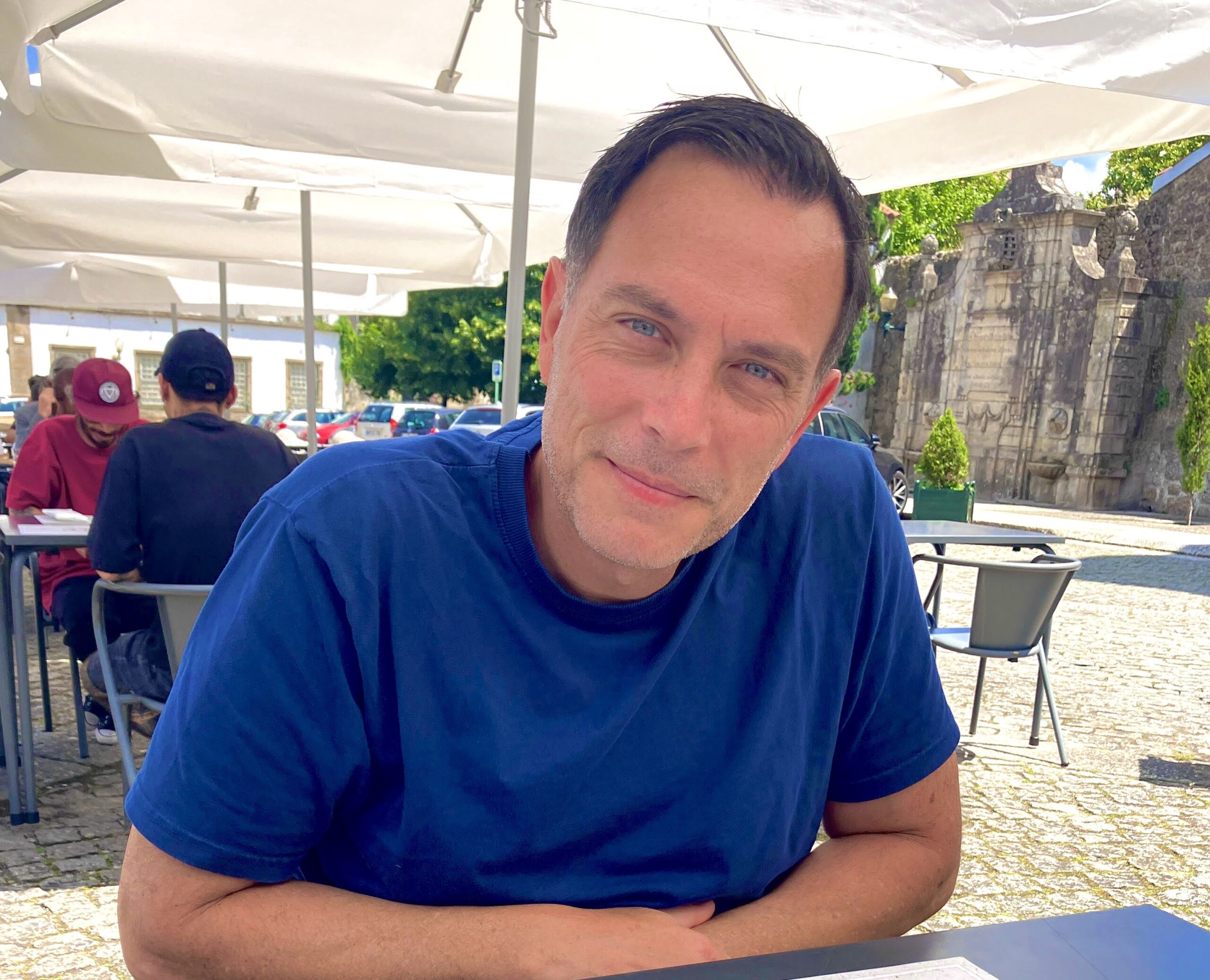
About Brian Herriot
Brian Herriot is an author, speaker, financial advisor, and entrepreneurship coach. He’s founded several businesses, including Herriot Financial, where he empowers budding entrepreneurs to find lifestyle freedom and live extraordinary lives His frameworks for personal growth and financial success support his mission of helping others work on what they want, when they want, and for as long as they want. As the founder of Choosy Consultant, Brian Herriot helps mid-career consultants find financial freedom and live their best lives.
He offers a new and different take on wealth-building, lifestyle design, and retirement, building customized comprehensive wealth plans for his clients in just one week. Brian is working toward a world where everyone has the time and support to define what success means to them and focus on building character over building resumes. With a master’s degree in finance, investment, and banking from the University of Wisconsin and a rich background as a management consultant at Accenture and Point B, Brian established his own consulting firm seven years ago. In 2023, after unlocking the formula for lifestyle freedom, he took a six-month sabbatical, which inspired his passion for teaching others interested in living the same rich, free life full of choice, flexibility, and ease. Brian now spends months at a time away from work. He and his family enjoy summers at their lakeside cabin in northern Wisconsin. Brian has completed two bike rides across the state of Iowa, a baby step toward his goal to someday ride across the entire country.