Derek sits down with Ryan Sudeck, CEO of Sage Investment Group, to unpack a repeatable system for converting underperforming hotels/motels into studio apartments—filling an affordability gap while targeting strong returns.
They cover market selection, underwriting, construction (sprinklers, sub-panels, kitchens), property management at 100–200 unit scale, and the capital stack behind Sage’s evergreen fund (quarterly distributions, 1031 within the fund, portfolio diversification). Expect practical detail on risk controls (change-of-use permits before closing, value engineering, local code strategy), tenant quality myths (longer average tenancy than market), and why exterior-corridor assets speed construction. The episode closes with goals (10–15 conversions/year, path to 15k units) and how deals actually reach the team (direct-to-seller, lenders, brokers, 60–70 LOIs out at any time).
—
Watch the episode here
Listen to the podcast here
Welcome to the Generations of Wealth podcast. I am your host, Derek Dombeck. And today, this guest got an awesome topic that I don’t think it’s talked about hardly anywhere else. And it’s converting old hotels, motels, maybe not even old, but hotels and motels into studio apartments for, you know, the housing crisis that happens in a lot of parts of this country. And initially I had a different idea of what I thought he was doing or what types of buildings he was doing this to. But throughout the show, it became apparent like, man, this is this is some incredible opportunity with very little competition. So we’ll bring Ryan Sudeck on in a moment. But before that, you know, full disclosure, I love doing this show because of the relationships that I get from the people that I interview. and I want you to get those relationships too. So, you know, if you ever hear somebody on this show and you’re like, I really would like an invitation or an introduction, I should say, to that person, you know, reach out to me. If it’s something that can mutually benefit everybody and, you know, them and you, I have no problem being a connector. So reach out to me. You can go to thegenerationsofwealth.com. You can go to derrickdombeck.com. Shoot me an email. Derek at globalgow.com. And, you know, let’s make it happen. We’re here to help you. It’s all about the network. So with that said, let’s bring on Ryan Sudeck. And here he is all the way from Washington State, Ryan Sudeck. Ryan, thanks for being with us on a Generations of Wealth show. Thanks so much for having me, Derek. I appreciate it. I’m going to kind of just start off with some really, really hard questions. Who are you and your background?
Well, yeah, I’m Ryan Sudeck. I’m the CEO of Sage Investment Group. Sage’s mission is to help address the affordable housing crisis by transforming hotels into apartment communities across the country. But my background is mainly in mergers and acquisitions. So my, after going to college, my early career was spent, you know, helping big companies buy smaller companies. I did that a number of different places, including Samsung and Amazon and Redfin. Also helped operate a couple of real estate businesses. And on the weekends, I would do my own real estate investing. And that was inspired by my dad. Growing up as a kid, he had a small portfolio of real estate in our hometown of Medford, New Jersey. And I was swinging hammers with him on the weekend, soldering pipes, doing all the dirty work, but learned some valuable lessons about passive income and kind of having that insurance policy of, you know, having, having your money working for you while you’re, while you’re sleeping. Um, but also kind of understood the nitty gritty of doing it. So when, when I was fortunate enough to be able to buy my first sixplex, I got to it. Um, fast forward to, uh, two years ago in 2023, um, I become, uh, you know, one of the largest shareholders of Sage, the company I’m now the CEO, uh, second behind my partners, Ross and Emily, who founded the business. Uh, and I jumped on, of jumped on to help them lead the company.
We’ve gone through a pretty exciting growth trajectory since then and look forward to share more about that with you. Well, you did good with the first couple of questions. I guess we’ll keep going. I’m glad I passed the test. It’s stressful. I know. You talk about affordable housing and a lot of problems across the country in the Midwest, where we are, where I am, it’s not as big of a problem. It still is in pockets. Okay. But I know colleagues of mine, friends of mine in much, you know, larger markets, upscale markets, it’s huge. It’s a huge, huge problem. So what led you and, you know, your colleagues at Sage, what led you to want to get into that? Was it because we can make a lot of money or was it more of the, the, we really want to solve a problem and making money is the by-product of that?
Yeah, I’ll be honest. It was business opportunity. So we, my partners and I had been real estate investors dating back to 2010, started with single family, then multifamily, then multifamily syndications. And in 2019, we had the opportunity to buy an apartment community in Tucson, Arizona. Half of it had already been converted to apartments and the other half was operating as a hotel. So clearly straightforward, got to convert the other half to apartments. It was right down the street from the University of Arizona. So we thought student housing, this will be perfect. Students wouldn’t mind living in a 300, 400 square foot, fully amenitized studio. Started in 2019, well, 2020 rolled around and COVID happened. There were no students on campus. And so we pivoted our marketing strategy. We leased up to the general population, and it filled up so quickly. And it stayed 5%, 6% more occupied than the market down there. So it was the light bulb moment for us. And we said, wow, we’re on to something here. And the fundamentals of buying a hotel, which is value different than an apartment building, really power the strategy. You know, we find that we see at least a 40 or 50% increase over what it costs us to buy and develop these properties to what they’re ultimately worth as apartments. Because hotels are just fundamentally worth less on a cap rate basis or revenue multiple basis, however you want to calculate it. Because there’s more risks involved. There’s more overhead. And there’s a lot more demand for apartments and a lot less, you know, overhead and risks associated. So investors are willing to pay more for apartments. And we’ve been in heavy pursuit of that strategy really since solely since 2022 and have now started our 24th hotel conversion project.
Okay. And you’re doing this in, just to be clear, you’re doing this in parts of the country that you don’t live in. Some parts. Yeah, certainly. We have a good concentration of properties here in Washington state, which is where Sage is headquartered. But we’re in five different states right now with our properties. Most recently went into Dallas and Houston, Texas. We’re in the Carolinas. We’re also planning to go into Denver, Colorado, and Orlando, Florida. You mentioned, you know, affordability is different in different places. I was just looking at the rents in Denver for studio units, like $1,800, $1,900 a month right now. And, you know, we usually are coming $300 to $500 less per month under the prevailing, you know, Class A studio rents. Um, and you know, we’re, we’re developing these units for about 50% of what it takes to build them from the ground up.
So is that kind of the, the targets research of a market is looking for higher rents for, um, you know, one bedroom apartments or studio apartments and, and that’s the goal, or is it more, we need to just go find where there’s actually available hotel motels that need to be bought and then do the underwriting from there. Yeah, there’s hotels, motels that need to be bought that are in distress all over the country. So it’s a matter of market selection. The reason why there’s so many hotels that are in distress is, you know, post COVID travel hasn’t come all the way back Airbnb and VRBO are a thing now. So we’re just not traveling the same way a lot of destination travel less, you know, interstate, you know, traveling salesman type jobs existing, because we now we have things like zoom, like we’re on today, uh, you know, to be able to conduct business. Um, hotels also just naturally have this degradation that happens. Um, you know, if they get competition down the street, you know, guests go stay at that new property. And there’s a slippery slope where if you’re not generating enough income, you can’t invest in keeping your franchise agreement with Marriott or whoever, and then you drop a flag. And then it’s kind of a slippery slope where you earn less and less. So the opportunity exists everywhere. We look for markets where there’s strong wage employment growth because ultimately that’s going to translate into having tenants that can pay us. That looks very different depending on the market that we’re in. It’s not all the high rent markets. Columbia, South Carolina, for example, the rents there are around $1,000 per unit for our units. But we bought those units for $25,000 per door. Now we obviously are investing quite a bit of money, I think $45,000, $50,000 per door to renovate them up. But that spread between cost and rent still exists in those markets. Contrast that with a market here locally like Bellevue, Washington, which has the highest per square foot cost for single family homes. You know, the rents here, you know, in that $1,900 a month range for a studio, you know, will probably be a little bit less than that when we come to market here in the next month or two. So i’m gonna just profile because that’s what humans do right oh yeah it’s a bias the first thing you you think of or i think of when i think fleabag motel converted to studio apartments you’re going to get a low quality tenant now i’m saying that as probably somebody listening to this show. Personally, I’ve owned a 12 bedroom pad split, you know, where they rented bedrooms and all this stuff. So I’ve lived it and I know that’s not the case. That still comes down to management. But how do you overcome that stereotype?
Yeah, with data, that first hotel that we converted, the average tenancy is 22 months, which the national average is somewhere between 15 and 17 months. So people are staying 50% longer at that property than tenants are nationwide. So I think we just don’t see that. A lot of folks are faced with, you know, affordability challenges. And if they can, you know, keep their rent manageable, they can sock away some money, they can, you know, have a much more fulfilling life with a lot less stress. So we see that folks stay. You know, there’s certainly the folks when we initially lease up that slip through the cracks, and we, you know, budget and account for, you know, some amount of economic vacancy, you know, for those folks that don’t want to pay. And we have to go through the process to, you know, get them out and get in folks who do want to pay. So we’ve gone through that cycle and we manage that with our property managers. But there’s just a, there’s a pretty insatiable demand. And, you know, these motels and hotels, they’re located in amazing locations. Not only, you know, we’re targeting growth markets, but these are commercial cores where, you know, our tenants can walk to work or take a bus or a train.
They’re really well located off interstates too. And that provides for good quality living. We’ve also seen some areas where we’ve come into crime-ridden hotels and just completely transformed a neighborhood. Actually, earlier this morning, we had a review left on one of our properties. Not making this up. I’m paraphrasing, but the tenant basically said, it’s pretty incredible what the folks who converted these did. They turned, it’s called Hosmer Street. It used to be responsible for 10% of the murders in Washington. This person said that we turned it into Hope Street, which is pretty cool to hear a tenant say that in a public forum. She just posted this and we happened to notice. And so we don’t seek out trying to solve crime, but it’s a natural byproduct of going to these neighborhoods and revitalizing them. And that neighborhood that I’m talking about is three blocks away from where my parent or my partner’s grandparents lived or live. And so it’s, it’s a good area and it used to be a good area. It just fell on hard times.
Yeah. So are you looking at structures that have primarily interior access to the units only, or are you looking at structures that have exterior or both? Doesn’t it matter? We do have both. We prefer exterior entry for two reasons. One is it provides residents a little bit more separation from their neighbors. You can feel like you have a little bit more independence there. You also don’t smell each other’s cooking as much. And then separate is on the construction side. We see at least a 20% reduction in time to develop these properties because you don’t have to go up and down stairs to move materials in. You can imagine a three-story exterior corridor hotel. You can just chuck the old over the side of the dumpster and then bring a forklift to bring the new stuff in versus going up and down an elevator or stairwell. It just adds a lot more time to the project. So we prefer the exterior corridor, but, you know, depending on the basis or the location, you know, we’ll buy interior corridor as well.
And if you have interior corridor, you have more common areas that have to be taken care of, right? So do you have, I mean, how do you staff something? Let’s go with interior corridor. How do you staff that? Do you have a cleaning service that goes in on a weekly basis, monthly basis, keep the common areas clean? Do you actually have somebody that’s there every day? Yeah. Management. What does that look like? We, yeah. So we’re, we’re only buying properties that have at least a hundred units. There’s some exceptions, you know, 80, 90 units, but typically buying between a hundred and 200 units in a property that allows us to have onsite staff and onsite management. So there’s typically a property manager, a maintenance technician, a leasing specialist, you know, depending on, on the time. And then yes, there’s contracted cleaning services. We offer trash valet for our tenants sometimes as well. But, you know, the common area spaces in these hotels are sometimes they’re quite lavish and large. We have 196 unit property here in Washington that has 16,000 square feet of conference space. And so we’re converting that into just a massive fitness center and lounge and games golf simulators. And so it’s going to be really an amazing amenity for tenants. And if you compare it to the next, you know, the next property they might be able to afford, it’s not going to have those amenities. And so that certainly keeps our tenants around as well. And then with that said, how are you getting the square footage? Are you taking two rooms, converting them to one unit?
Typically not, just for the math, right? So if you have two studios, typically you can rent those a lot more than you could a one bedroom, right? You can’t usually double the rent from a studio to a one bedroom if you were to combine two units. My thought process was more along the lines of a lot of these units didn’t have a kitchenette originally and i was in commercial construction for 20 plus years i used to put in fire protection so i i was there building hotels so i’m thinking through the mechanical side of things right now and and fire protection is another one that’s a colossal expense and it’s pain in the ass um we always used to say we were the red-headed step children on every job site we were very expensive and you hoped that the system never actually had to function because that meant there was a fire. But you’re essential, you know, you can’t open the building without you, right? Right. And that’s what we face too. A lot of these hotels don’t have fire suppression in them. So if they don’t, and we’re moving to a residential use, you know, we usually have to put it in and retrofit the building with sprinkler with sprinklers in them. The other common infrastructure upgrade is putting sub panel, like sub electrical panels in each one of the units. So that’s the infrastructure work that’s that’s most common and very costly to get these up to a residential code compliance. We also have to deal with energy codes and other things. So we kind of have to have a collaborative process with the local jurisdiction on what requirements they’re going to hold us to. But as far as the kitchens are concerned, we usually, by and large, put full-size appliances, a full kitchen in there, range, stovetop, microwave, full-size fridge and freezer, So that they function, you know, as a full-blown apartment.
Okay. And then just a single bed. So I guess that does make sense. If there was a hotel room that had two queen beds, you, yeah. Yeah, and the average hotel room is, you know, anywhere. Well, we’ve seen, you know, 225, 250 square feet up to 450 square feet for a single hotel room. We have other ones in our portfolio that had suites that are larger. By and large, 280 to 320 square feet is pretty standard for a hotel. And the construction side of things is certainly where we add our value and been able to value engineer quite a bit to keep our costs low. Definitely. So you’ve got these projects all around the country. How do you man these? How do you staff this in five different states when you’re not there? assuming that you’re not flying there every week to each of these projects and overseeing them yourself? It takes a village. We have 27 full-time folks at Sage that are responsible for finding properties to acquire, meeting with investors who are interested in our mission and our return profile, a construction management team that’s working through permitting design, going out to bid to get at least three contractors to bid on all of our new projects, and then managing those contractors to make sure they stay on time and on budget. And then lastly, we have an asset management team who’s responsible for selecting the right property manager for the specific property, and then holding them to a budget on revenue and expenses. So we kind of have all these different phases on the project. Most of our team is based here in Washington, but on the construction management and the asset management and the acquisition side, We’ve been starting to hire more localized. For example, our latest construction manager, he’s based out of Atlanta. So he can cover all of our Southeast market properties.
So you got staff and you obviously have to rely on that, but you had said something during that investor relations, raising money. Are these all syndications or are you running a fund? How do you structure your funding for a new build or not a new build, a new project? Yeah, back in 2020, we started an evergreen fund. So all of our projects are funded through equity investment through our evergreen fund. And we’ve raised just under $150 million through that over the last just over four years, almost five years now. And that’s how we structure the equity coming in investors. We pay them out a quarterly distribution. They also get equity upside as our share price increases over time. It’s obviously a very tax-advantaged vehicle, too, because we’re 1031 exchanging within the fund itself. We’re taking advantage of all of the bonus depreciation and cost segregation, all those different strategies to make it very tax-advantaged. We also accept folks who want 1031 into our- to be clear, you share that with the investors. Yeah. Pro rata. Yeah. All of that gets distributed out to, to the LPs or the individual investors of which, you know, um, you know, folks at Sage are also, uh, investors just, just alongside our LPs. Perfect.
Yeah. And, and I, I bring that up because over the period of the last few shows, we’ve had different people in different commercial scenarios and also an SEC attorney talking about funds and different things. And Evergreen Fund has not been chatted about at all by most of them. So what’s the challenge? What’s the advantage and disadvantage of having an Evergreen Fund? I think there are tons of advantages for investors and also for us as operators. On the investor side, you get diversification. You aren’t going to be forced out of the investment at any point. We have the ability, after a five-year hold, we have investors have the ability to redeem their shares for cash if they want to get out, but they can stay in. So depending on your financial goals, you’ve got some flexibility there. With a close-end fund or a syndication, you’re tied to a smaller group of properties. of syndication, it might just be one property itself. By having the whole portfolio, we can balance income and distributions out to our investors as well. Because we’ve got a lot, all the, you know, all the funds that we’re raising now to go acquire new properties, those properties aren’t producing cash, because we have to develop them for six to 18 months. But we have other properties in the portfolio that are, you know, getting refinances out of, or they’re producing cash flow. And so you’re stepping into a portfolio that’s already active, and you don’t have to take on so much, you know, you don’t have to wait for cash to come your way. You also don’t have to take on concentration risk, right? We’re in five different states, 29 properties, 2,700 units. That’s a nice diversified portfolio.
You know, if, you know, God forbid a weather event, you know, hits Columbia, South Carolina, you know, it’s not going to sink things. And as operators, it allows us to sell at the right time. You know, we have a five-year business plan for each one of our assets. There are assets that are properties that we’re holding longer than five years right now because the market hasn’t been there. We’d rather collect the cash flow, you know, as the market, you know, starts to normalize, as inflation comes down, you know, we’ll look to sell them and recycle that equity. And that’s probably the last piece that’s really interesting is the recycling of that equity. The fact that we can 1031 within the fund and basically take the proceeds from one sale and go buy another property and keep that capital compounding and working hard on behalf of our investors. You know, we did it on our own as our management team, you know, buying one property and then moving to the next. But we can kind of do that at scale within the fund itself. Yeah. And that’s something that very few people talk about or very few people even realize you can do if your fund is structured properly. And it’s a great, great tool. So I guess I did have a second part to that question. Is it hard to raise capital in the beginning when you know you’re going to have a 6 to 18 month lag time before there’s any potential revenue coming in? Or was that sales pitch, they were already familiar with you and your team because of other deals you’d done. this was just something that you were segueing into?
We actually benefited from taking 13 individual syndications and upreading them into the fund to get started. So that was the initial seed portfolio and seed capital that got Sage started. So all those investors kind of came in with the exception of two, I think, two or three who decided to stay just invested in their individual syndication properties. But we all came in. I brought two of my properties in as well to that. And in exchange for shares of the collective. And so that was the nucleus that helped us grow from there. Those properties were producing nice cash flow. And we just started growing from there. And it started with friends and family and then extended networks. And now, you know, we’re privileged enough to have people reaching out to us, you know, because they hear a podcast or they read an article about what we’re doing. And so, you know, we started raising as a 506B fund, which didn’t allow us to advertise. We had to know someone first and we switched that this year to a 506C fund so that we can talk to more folks. You know, we’re scaling kind of beyond our networks to capture the opportunity that exists in the market.
Yeah. And that’s something that for the audience, you know, you can now advertise, but you can only advertise and take on accredited investors. That’s right. Whereas the B, it’s kind of like a friends and family fund. And you can have a certain number of people that are not accredited. And I’m not giving out the numbers. Or, you know, this is an evergreen podcast. If you’re listening to this three years later and the SEC changed the rules, I’m not telling you what is legit at the time you hear this. But, no, I really love the model. And I know that I’ve seen a lot of these small mom and pop hotel motels as I travel the country. But in my mind, I was, you know, I wasn’t thinking 100 plus units. I was thinking, you know, the 20, 30, 40 units that kind of run down shitholes, if we’re being honest. But and what you’re describing is way more intriguing. quite frankly, again, going back to my experience in commercial construction, you know, the life of a brand new hotel, like somebody builds a new Holiday Inn, it’s usually a 25 to 30 year life. And then that building is in dire need of renovation anyways. Yep. And so I’m imagining, you correct me if I’m wrong, I’m imagining most of the buildings you’re buying are between 20 and 35 years old.
You’re spot on, Derek. Yeah. I think the only exception to that rule is there’s some folks who have just operators who have fallen on hard times. They over leveraged, they overpaid. And so we have lenders reaching out to us. You know, we bought a portfolio recently for 50 cents on the dollar for what someone paid two or three years prior to us buying it. And those were all renovated in the, you know, the 2010s. Those aren’t our bread and butter, but those opportunities certainly exist. Yeah, you’ll take them. Exactly. The 80, 90s, early 2000 vintages, that’s exactly what we’re looking at. Certainly, a lot of these have fallen in disrepair. You’re right. There are the smaller ones that are really bad. And we buy some that have had fire damage or flood damage. And a lot of mom and pop operators, but also some larger groups that are just looking to move around their portfolio. So one interesting dynamic with hotels, you may know this, but I think 60% of the hotels in the U.S. are owned by people with the last name Patel. So a lot of Indian families who immigrated over and bought these hotels and motels in the 70s and 80s. They educated their kids. Their kids are wildly successful. And now mom and dad or grandma and grandpa are looking to retire and stop operating the hotel. And the kids don’t want to operate the hotel because they’re wildly successful doing their own thing. And so we work with a lot of folks in the Indian community who are hotel operators and kind of privileged to have some of that come in and invest alongside of us, too.
Yeah. No, I didn’t know that fact. But as you say it, it makes sense, you know, and there’s a lot of that community, which I’ve always been impressed with with people that immigrate here. And, you know, the first thing they do is look to start a business and all of our indoctrinated little punk kids that get everything handed to them nowadays. And I’ve got some of these, too. But, you know, they don’t understand what it’s like to start with zero and build something up like that within one generation. Yeah. Right. And then pass it on. So I’ve always handed it to anybody that comes into this country the correct way. and starts a business. Couldn’t agree more. Couldn’t agree more. Yeah, my father-in-law is an immigrant who showed up on the shores from a boat as a refugee. And it’s just incredible to see the resilience of folks who have to go through that and how successful those folks who are resilient in that way can be. For sure. Well, this is the question I ask all of my guests for the most part. And it’s a struggle, but I think you’ve done well so far. So what is one question I should have asked you that I didn’t?
Oh, that’s always a good one. I ask that in interviews too when I’m hiring people. It’s always a good question. Let’s think, what else should you have asked? I guess, what are our goals? What does the future hold for Sage? Maybe that’s one question you could have asked. We could talk a little bit about the risks associated with all these deals and all the things that we’ve learned. Certainly paid tuition. Maybe those are the two areas that we haven’t talked about. Well, then you might as well answer them. All right. So for us, we’re looking to do 10 to 15 of these hotel conversions per year. We could certainly do more, but we want to grow responsibly. We want to eventually, over the next five years, our big, hairy, audacious goal is to get to 15,000 units. We’re just a little under 3,000 right now. but we can see a path to doing that with this strategy who knows beyond five years you know but i think the next five years this strategy is going to hold strong especially given uh how little we’re building right now um given all the dynamics and costs and cost of capital and labor and supplies and all that um you know as far as things we’ve learned there’s there’s a lot of risk with these deals that’s why we haven’t seen a lot of people come in to this niche right it is a full development project. But having, you know, in-house architect, in-house designer, in-house general counsel, you know, construction management team has got, you know, our head of construction management was responsible for cranking out seven homes a day at a builder. And so seeing, you know, operations at scale, I think having that makes it all happen. But we’ve kind of been able to really refine the cost of what it’s going to take to convert these.
And we’ve learned from working with the local jurisdictions and the planning and permit departments. So instead of being takers of whatever they’re going to say, hey, this is what you need to do, we can go to them and say, this is what we want to accomplish here. Here’s what the codebook says. Here’s how we’ve seen other people interpret it for our projects. Do you agree? And so it just changes the script a little bit, flips the script a little bit and mitigates a lot of risk. We also structure our purchase agreements so that we make sure we’re not closing until we have, or we don’t have to close until we have a change of use permit. You know, we have six months of kind of diligence and closing timeline for each one of our purchases to, you know, sort through a lot of those risks. And by the time we transact, we feel pretty good. And the goal is to swing hammers on day one. That doesn’t always happen. But that’s certainly the goal.
I was going to ask you what that due diligence time period typically was. And obviously you answered that. 90 to 100 days within the contract. I’m typically for core feasibility due diligence and then for permitting and other things that stretches it out a little bit. Yeah, perfect. So you if somebody’s, you know, listening to this show and they are like, oh my God, there’s this perfect building sitting for sale in my hometown. Is that something that you get leads from other people like that? Or is yours a lot more just mortgage or I’m sorry, real estate brokers, listed properties? Where do you get your leads from? If you know a property, reach out to me, send me an email. Certainly we welcome those opportunities and we get those opportunities all the time. We do a lot of direct to seller. So we’re calling up sellers and trying to buy their properties. It takes us on average 18 to 24 months from when we start talking to a seller to when we end up buying. Usually they want to test the market and then they find that our price is a good one and they come back to us. Sometimes our price goes down when they come back to us. We saw that recently on some projects. Mortgage broker mortgage companies or lenders will reach out to us as well for opportunities. But at any given time, we’ve kind of we’ve built this infrastructure to have this off market deal pipeline. And at any given time, we’ll have 60 to 70 LOIs out or letters of intent with offers out to these hotel owners. And it will some of them will transact and some of them won’t. But, you know, as of now, we’re we’re already penciling in transactions for 2026 at this point. um so it’s it’s essentially the same thing that many of us do to get houses it’s you know grassroots effort some door knocking some handshaking some some letters cold calling whatever it’s the same thing exactly okay yeah we got to just penetrate the hotel networks and you know we’re creative on deal structure and you know with the flexibility of fund, you know, we can, you know, we can, we can close on, on the timeline that’s needed.
Perfect. Well, Ryan, man, that, that half hour plus flew by pretty damn quick. So I really, really appreciate you being here and sharing, you know, your knowledge on, on this. This is certainly not a topic that gets talked about in the, you know, in the masses, which that’s okay too, Right. It’s when you get your niche figured out and you can solidify that. That’s perfect. So again, thanks for your time. Thank you so much for having me, Derek. I really appreciate it. Well, now you guys know if you see a deal, you can always get ahold of Ryan and if you need to, you can always come through the generations of wealth. We’ll get you in touch with Ryan, but until next time, next week, thanks for being here please go and share this anywhere that you can and you know get other people to join the generations of wealth network and until then go do some deals live your vision love your life see ya Yeah.
Important Links:
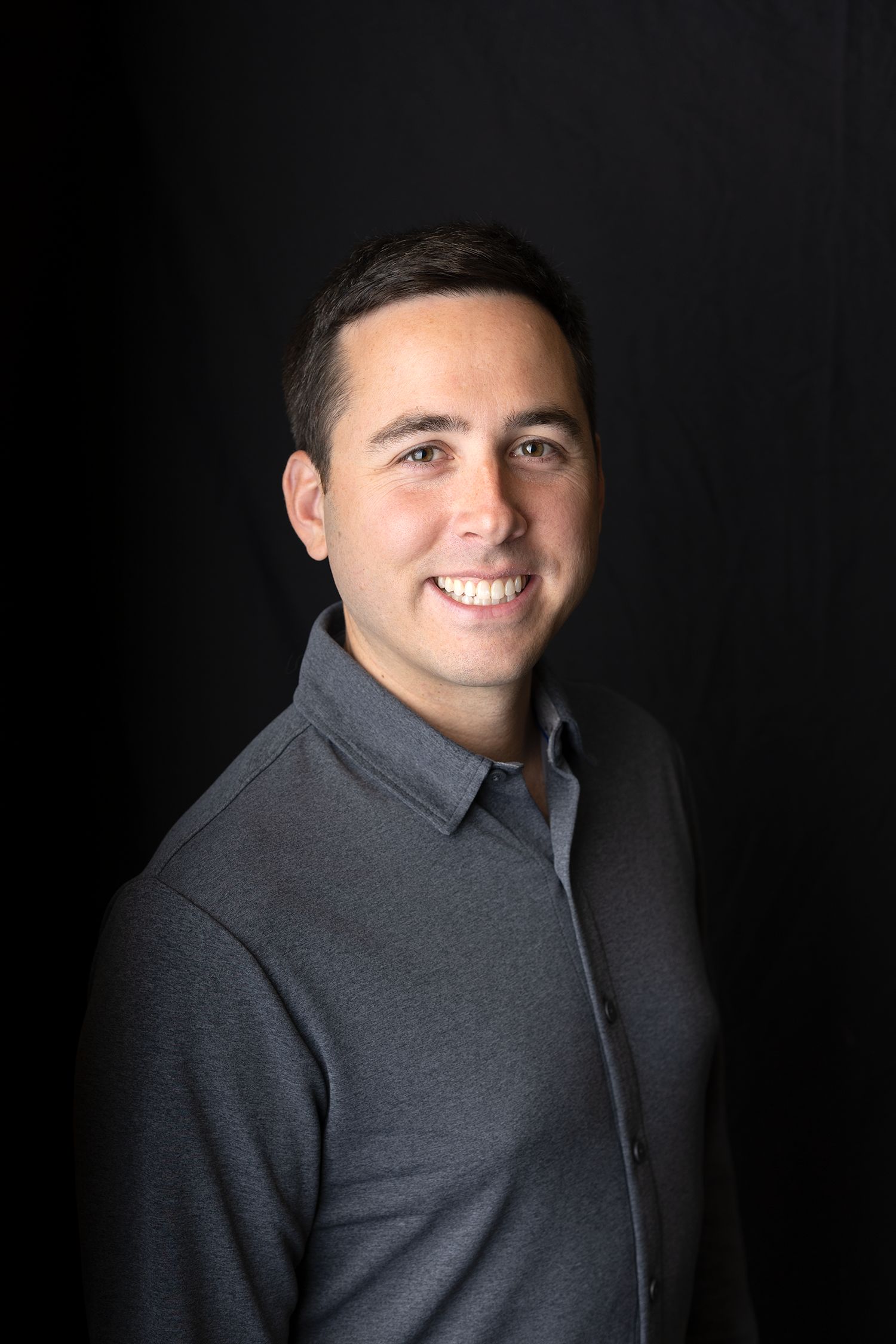
About Ryan Sudeck
Ryan Sudeck joined Sage in 2023 as the organization’s first Chief Executive Officer. In this role, he works to drive forward Sage’s mission to expand the availability of attainable housing in Washington state and nationally. Ryan oversees finance and operations for the organization while working to ensure a healthy return for all Sage investors.
A graduate of Stanford University with years of personal experience in real estate investing, Ryan most recently served as Vice President of Marketplaces at Redfin, and previously led acquisitions across industries at PwC, Samsung, and Amazon.