The Marketing Strategies Every Real Estate Investor Should Be Using
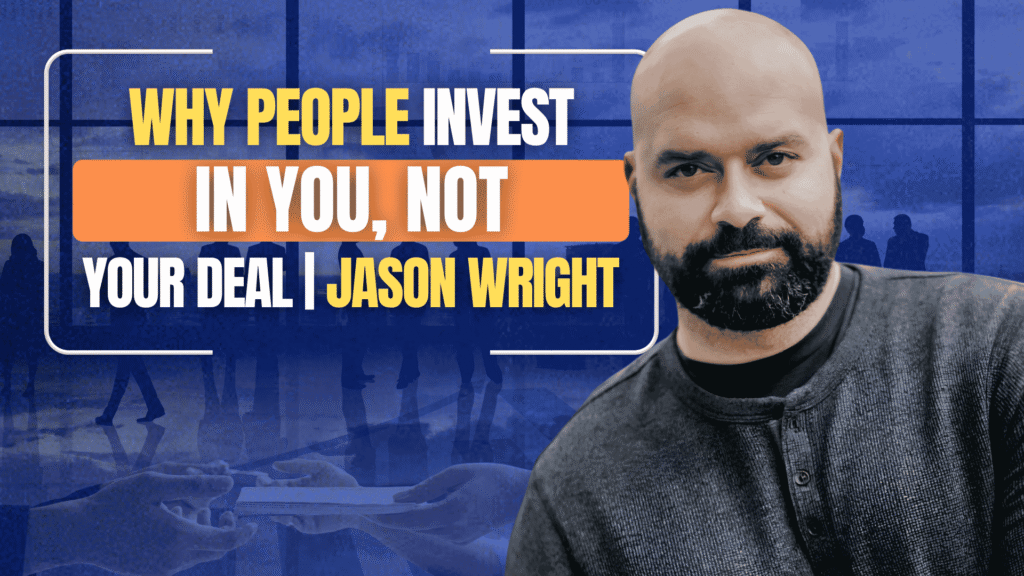
In this episode of the Generations of Wealth Podcast, Derek sits down with Jason Wright, founder of Intentionally Inspirational, digital marketing strategist, and AI enthusiast, to discuss what actually works when it comes to marketing, raising private capital, and building meaningful relationships online.
Jason shares his entrepreneurial journey from leaving the traditional 9-to-5 world to building a successful digital marketing business. Together, Derek and Jason explore AI, lead generation, Go High Level, YouTube, email marketing, newsletters, Facebook advertising, and why relationships—not flashy marketing—are still the key to raising private capital.
Whether you’re a real estate investor, entrepreneur, or business owner, this episode is packed with actionable marketing strategies you can begin implementing immediately
The Multifamily Market Reality: Why Most Operators Are Failing

In this episode of the Generations of Wealth Podcast, Derek sits down with Lee Yoder, a former physical therapist who left the corporate world to build a thriving multifamily real estate business.
Lee shares how he transitioned from healthcare into real estate, scaling from his first flip to nearly 900 apartment units across Ohio and Indiana. Along the way, he discusses partnerships, syndications, market cycles, financing strategies, and why long-term thinking is the foundation of successful investing.
Whether you’re just getting started or already investing in multifamily properties, this episode offers practical insights into growing a business while keeping faith and family at the center of the journey.
The AI Investing Trap Most Retail Investors Fall Into

In this episode of the Generations of Wealth Podcast, Derek sits down with Todd Heitner, founder of Done Deal Websites, to discuss the evolution of real estate investor websites, lead generation, automation, AI, and marketing systems.
With over 20 years of experience helping more than 2,000 real estate investors build their online presence, Todd shares practical strategies for creating websites that not only look professional but actually generate leads and convert prospects into clients.
Whether you’re focused on single-family investing, multifamily syndications, private capital raising, or motivated seller marketing, this episode provides valuable insight into the systems that support successful real estate businesses.
The Biggest Marketing Mistake Real Estate Investors Make

In this episode of the Generations of Wealth Podcast, Derek sits down with Todd Heitner, founder of Done Deal Websites, to discuss the evolution of real estate investor websites, lead generation, automation, AI, and marketing systems.
With over 20 years of experience helping more than 2,000 real estate investors build their online presence, Todd shares practical strategies for creating websites that not only look professional but actually generate leads and convert prospects into clients.
Whether you’re focused on single-family investing, multifamily syndications, private capital raising, or motivated seller marketing, this episode provides valuable insight into the systems that support successful real estate businesses.
Tax Deed Investing: How to Find Hidden Off-Market Deals

In this episode of the Generations of Wealth Podcast, Derek sits down with John Bonillas, a real estate investor, contractor, and tax deed specialist from San Antonio, Texas.
John shares how he transitioned from coaching, teaching, and the fitness industry into real estate investing through tax delinquent foreclosure auctions. He breaks down the process of finding tax deed opportunities, researching properties, understanding redemption periods, avoiding costly mistakes, and identifying areas poised for future growth.
This episode is packed with practical insights for investors looking to find off-market opportunities, purchase properties below market value, and create more freedom through real estate investing.
Leaving Corporate America: The Real Estate Investing Journey Nobody Talks About

In this episode of the Generations of Wealth Podcast, Derek sits down with Jon Weiskopf, a former Apple engineering leader who walked away from a successful corporate career to build his own path through real estate investing, private lending, and entrepreneurship.
Jon shares his transition from designing and managing projects for Apple around the world to building a portfolio of multifamily investments, assisted living facilities, and a specialized private lending business.
The conversation explores risk, freedom, entrepreneurship, lending, real estate operations, and what it really takes to leave the security of a paycheck behind.
Passive Income Through Syndications: What Every Investor Should Know

In this episode of the Generations of Wealth Podcast, Derek sits down with Trevor Thompson, a former operations executive who helped scale major entertainment brands before transitioning into commercial real estate investing through syndications.
Trevor shares how he discovered syndications later in life, became both a passive investor and active General Partner, and built a mission around educating people on how commercial real estate can create wealth and passive income.
The conversation breaks down syndications, leverage, tax benefits, risk management, accredited vs. non-accredited investors, and what investors should look for before placing capital into a deal.
The Truth About Multifamily Investing in Today’s Market

In this episode of the Generations of Wealth Podcast, Derek sits down with multifamily investor and entrepreneur Matt Buchalski to discuss market cycles, distressed multifamily opportunities, raising capital during uncertainty, and the mindset required to survive difficult markets.
Matt shares his journey from corporate America into real estate investing, scaling from single-family rentals into a portfolio of over 200 units across Texas while navigating one of the most challenging multifamily environments in recent history.
This conversation is raw, honest, and packed with lessons on resilience, leadership, underwriting, and staying in the fight when markets shift.
How to Raise Millions in Real Estate Without Sounding Salesy

In this episode of the Generations of Wealth Podcast, Derek sits down with real estate veteran Adam Gower, who has raised hundreds of millions of dollars throughout a career spanning development, distressed assets, institutional portfolios, and digital capital formation.
Adam shares lessons from decades in real estate — from the savings and loan crisis, to distressed debt sales after 2008, to building digital marketing systems that help sponsors raise capital online.
The conversation dives deep into the psychology of raising money, investor trust, authenticity, and why today’s noisy online environment makes genuine relationships more important than ever.
From Mortgage Broker to Fund Manager: Real Estate Lessons That Matter

In this episode of the Generations of Wealth Podcast, Derek sits down with investor and lender Will Harvey to discuss hard money lending, private funds, underwriting risk, and the importance of staying humble in changing market cycles.
Will shares his journey from mortgage lending into flipping houses, apartment syndications, and eventually launching his own lending fund. Together, Derek and Will break down the realities of leverage, underwriting, investor protection, and why many people underestimate risk during strong markets.
This episode is packed with practical insight for anyone interested in private lending, raising capital, or building long-term wealth through real estate.