Derek talks with Clay Hepler, a former rental property investor and house flipper turned land investor, about hitting near-bankruptcy after over-leveraging a rental portfolio and pivoting into land flipping and development. Clay breaks down his “stair-step” model for scaling from small infill-lot deals to multi-million-dollar subdivisions, how he funds and structures those deals, and why he believes land is one of the most under-exploited asset classes in real estate today.
Watch the episode here
Listen to the podcast here
📄 Summary
Clay Hepler built a rental property portfolio of about 85 units using the BRRRR method during the low-rate, high-rent-growth years of the early 2020s, only to get hit hard when interest rates rose and rents softened — a combination that, paired with an underperforming Airbnb and his wife’s job loss, pushed him to the edge of bankruptcy. He pivoted into land flipping, sending out thousands of direct-mail offers before landing his first deal, an infill lot in Florida bought for about $19,000 and sold for $39,000. From there he scaled into rural recreational land, minor subdivisions, mobile-home-on-land deals, and major development projects — including a 30-acre rezoning project in Waukesha County, Wisconsin, projected to net around $800,000. Clay now runs a capital-raising fund that gives investors diversified exposure to land deals across multiple states, with a three-to-four-year hold and payout structure, and hosts The Landman Show to talk about the space.
⭐ Key Takeaways
- Clay’s over-leveraged BRRRR rental portfolio (about 85 units bought in 12 months) collapsed when interest rates rose and rents softened, pushing him near bankruptcy.
- He pivoted into land flipping, sending 15,000 direct-mail offers over about two months before closing his first deal: an infill lot bought for ~$19,000 and sold for ~$39,000.
- His “stair-step” model scales from infill lots ($2,500-$5,000 profit) to rural recreational land, to minor subdivisions (~$367,000 average profit), to major rezoning/development deals (hundreds of thousands to millions in profit).
- Clay funds early deals with JV partners who cover all costs in exchange for a profit split, then moves toward private debt and eventually equity as deals scale up.
- He runs a fund giving investors diversified exposure across land types and states, with a roughly 3-4 year deployment and payout period.
- Clay sees two major macro tailwinds for land: roughly 300 million acres expected to change hands from aging-out farmers over the next two decades, and a national housing undersupply (Freddie Mac estimates ~4.7 million homes) that affordable land outside major metros can help solve.
- He also does seller financing on land parcels, charging 12.5-14% interest with 10-15 year terms, and sells many of those notes on the secondary market for liquidity.
💬 Relevant Topics Discussed
- Over-leveraging a BRRRR rental portfolio and nearly facing bankruptcy
- Transitioning from house flipping/wholesaling into land investing
- The “stair-step” method: infill lots to rural land to subdivisions to major development
- Minor vs. major subdivisions and the entitlement/rezoning process
- Funding land deals through JV partners, private debt, and equity over time
- Running a diversified land investment fund across multiple states
- Macro trends driving land value: farmer land transitions and housing undersupply
- Seller financing and selling notes on the secondary market
- Risk management: buying “buy-right” parcels vs. contingent major development deals
🏞️ The Stair-Step Method: Scaling from $2,500 Lots to Million-Dollar Developments
Clay’s core framework is what he calls the stair-step method — using the same underlying skill set (finding off-market land, underwriting it, and getting it under contract) to scale from tiny deals to massive ones. It starts with infill lots (modest profit, not his favorite entry point), moves to rural recreational land, then to minor subdivisions where you simply survey off road-frontage acreage without needing rezoning approval (his company’s average profit here is around $367,000 per deal), and tops out with major development deals that involve rezoning raw land — like his 30-acre Waukesha County, Wisconsin project, bought for $950,000 and projected to sell for $1.9-2 million.
🎧 Why Should You Listen?
This episode is a candid, no-gloss account of what it actually looks like when an over-leveraged real estate strategy falls apart, paired with a detailed roadmap for an asset class — land — that gets far less attention than houses or apartments. If you’ve ever wondered how land deals actually get funded, rezoned, and scaled into real wealth, Clay lays out the entire playbook.
Important Links:
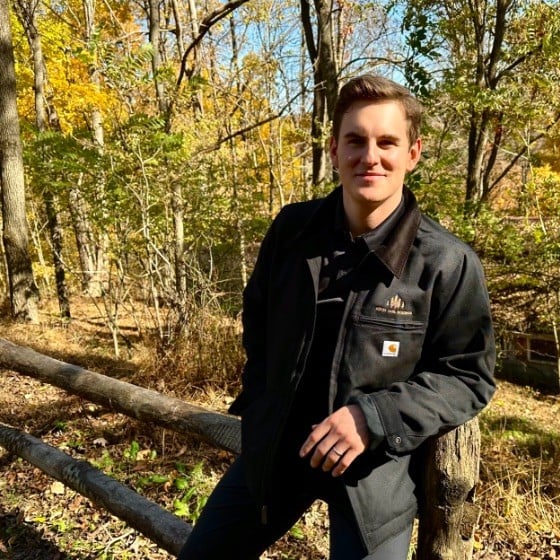
About Clay Hepler
Clay Hepler is a land operator and developer with more than 200 deals closed across 25 states. He runs a nationwide land development business, helps other investors get funded and build land businesses of their own, and raises capital from investors who want maximum exposure to the asset class. He hosts Landman, a show covering the people who own America’s dirt: how they got it, what it earns, and what it demands. Clay lives in the Pennsylvania hills with his wife and son, where they’re building a dream life living off the land.