In this episode of the Generations of Wealth Podcast, Derek talks with Moshe Popack, a Miami-based investor who went from losing his job and his income the moment the 2008 financial crisis hit, to building a multifamily, office, and assisted living portfolio spanning thousands of units and roughly 400 employees across the Southeast.
Watch the episode here
Listen to the podcast here
📄 Summary
Moshe Popack was working as an owner’s rep on a Miami development when the 2008 crash hit, the construction lender pulled the loan, and he was left jobless with three kids and no financial safety net. He and his wife (also an attorney, who now runs operations while he focuses on strategy and growth) used their wedding money and savings to buy one foreclosed note on an apartment, eventually parlaying that into a nearly 400-unit Miami apartment deal that took months of rejected capital-raising attempts before one investor believed in them. From there, Moshe scaled to roughly 7,000 apartments acquired over the years (about 4,000 held today), then expanded into distressed office buildings (bought at 30-40 cents on the dollar through relationships with trustees and special servicers, now about 2.5 million square feet) and assisted living. A key move he credits for surviving today’s rate environment: while many operators took short-term floating-rate debt during 2020-2021, he locked a large share of his multifamily portfolio into 10-year Fannie Mae and Freddie Mac loans around 3-3.25%. He points to roughly $400-500 billion in distressed commercial real estate debt nationally as evidence that now is a strong time to buy quality assets at a discount, and pushes back on the remote-work narrative deflating office demand, arguing Florida’s business-friendly climate has kept leasing activity healthier than headlines suggest. He closes with practical advice for newer investors — FHA financing on a 2-4 unit house hack, or buying a cash-flowing small business from a retiring baby boomer via an SBA loan — and his core philosophy: buy for cash flow, treat appreciation as a bonus, and never speculate your way into a deal you couldn’t survive on its worst-case numbers.
⭐ Key Takeaways
- A genuine catalyst — a job loss, a crisis, real financial pressure — is often what pushes people to finally take action instead of staying comfortable.
- Paying investors consistently and reliably builds a reputation that eventually brings better deals to you, rather than having to chase them.
- “Money doesn’t disappear, it just changes hands” — the opportunity is in being smarter about capturing it, not waiting for it to appear.
- Distressed CRE debt (roughly $400-500B nationally by one estimate) signals real opportunity to buy quality assets at a discount right now.
- Locking in long-term, fixed-rate debt (like 10-year Fannie/Freddie loans at 3%) during a low-rate window can be the difference between thriving and struggling when rates rise.
- Buying distressed assets with leverage and refinancing out your original investment while keeping the asset is a powerful way to recycle capital.
- Many multifamily operators who struggled after 2022 made the same two mistakes: overpaying based on assumed low-rate exits, and failing to operate the fundamentals (delinquencies, vacancies, retention) correctly.
- Buy for cash flow first; treat appreciation as a bonus, not the plan — speculation-based buying eventually runs out of chairs when the music stops.
- Entry points into real estate don’t require huge capital — FHA 97% financing on a small multifamily house hack, or an SBA loan to buy a retiring owner’s cash-flowing small business, are both viable paths.
- Action matters more than age or experience — there’s no fixed “too late” point to start building wealth.
💬 Relevant Topics Discussed
- Surviving and rebuilding after the 2008 financial crisis
- Distressed multifamily, office & assisted living acquisitions
- Buying from trustees & special servicers
- Debt structuring: fixed-rate vs. floating-rate financing
- Commercial real estate distress data
- Cash flow investing vs. speculation
- Office market demand & remote work
- Building investor trust and reputation
- FHA house hacking & SBA small business acquisition
- Leverage & refinancing to recycle capital
- Working with attorneys as deal-makers, not deal-killers
🏢 Buying Distressed Office at 30-40 Cents on the Dollar
A standout thread of the episode is how Moshe built relationships with trustees and special servicers to acquire struggling office properties at steep discounts — often 30 to 40 cents on the dollar — then stabilized them with new leasing to generate 10-12% cash-on-cash returns with real upside. He pushes back on the assumption that office is dead, arguing that in business-friendly markets like Florida, demand has held up better than the remote-work narrative suggests, and that the same contrarian opportunity now re-emerging in distressed office is starting to appear in multifamily as well.
🎧 Why Should You Listen?
This episode is a real, detailed account of rebuilding from financial rock bottom into a multi-division real estate company — not a polished success story, but a specific breakdown of the decisions (locking long-term debt early, buying distressed assets through special servicer relationships, prioritizing cash flow over speculation) that got Moshe there. It’s also a useful read on where today’s commercial real estate distress is creating opportunity, from someone actively buying into it right now rather than just commenting on it from the sidelines.
Important Links:
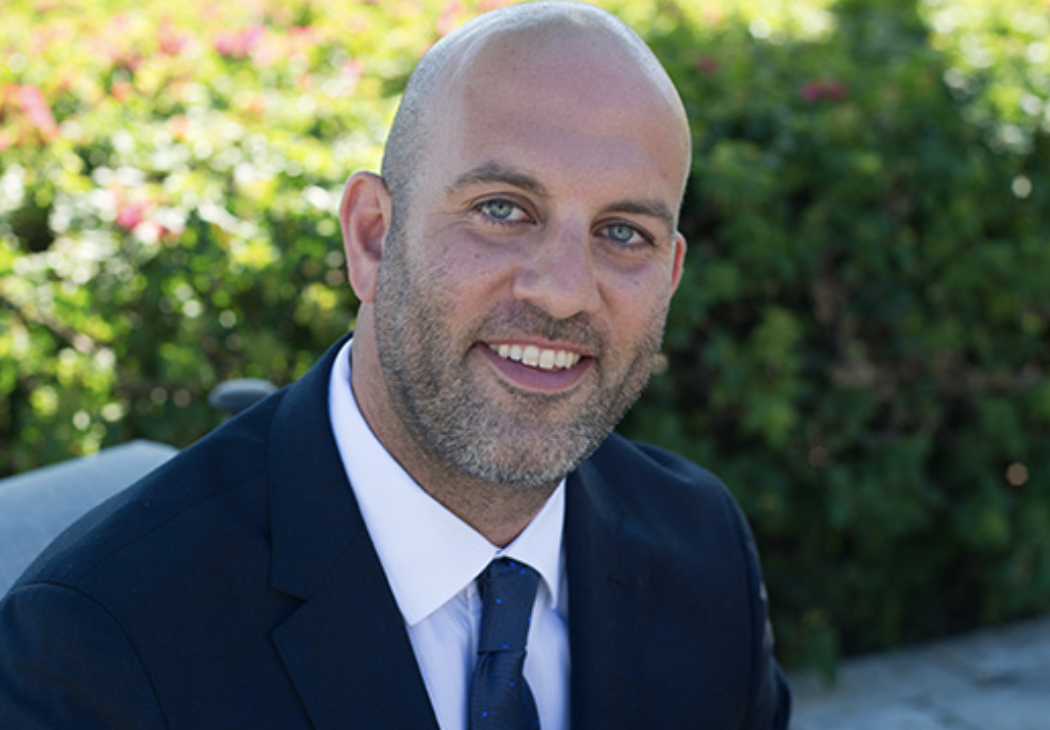
About Moshe Popack
Moshe Popack is a third-generation entrepreneur, real estate executive, philanthropist, and community leader guided by his commitment to family, faith, and service.
As Chairman & CEO of YMP Real Estate Management, the firm he co-founded with his wife, Yaffa, Moshe oversees a diversified portfolio of approximately 4,000 multifamily units and 1.3 million square feet of commercial space across the southeastern United States.
Beyond real estate, Moshe is deeply committed to strengthening communities through initiatives focused on education, nutrition, housing, and mental health. Together with Yaffa, he founded the YMP Family Foundation and Neighborhood Farms USA®, a nonprofit dedicated to expanding access to healthy food through community gardens and educational programs.
Appointed by Governor Ron DeSantis, Moshe serves on the Florida Development Finance Corporation, helping support economic growth and job creation across the state. He is also a member of the Young Presidents’ Organization (YPO) and the South Florida Business Journal Leadership Trust.
Moshe is the host of the Common Denominator podcast, where he speaks with leaders and innovators about finding common ground, personal growth, and building a more optimistic future.
Above all, Moshe is a devoted husband to Yaffa and proud father of ten children, who remain the inspiration behind his work to create stronger businesses, healthier communities, and a more compassionate world.